

(Re)in Summary
• Japan’s three largest non-life insurers will expand listed high-risk sea areas for war and terrorism cover from 13 March.
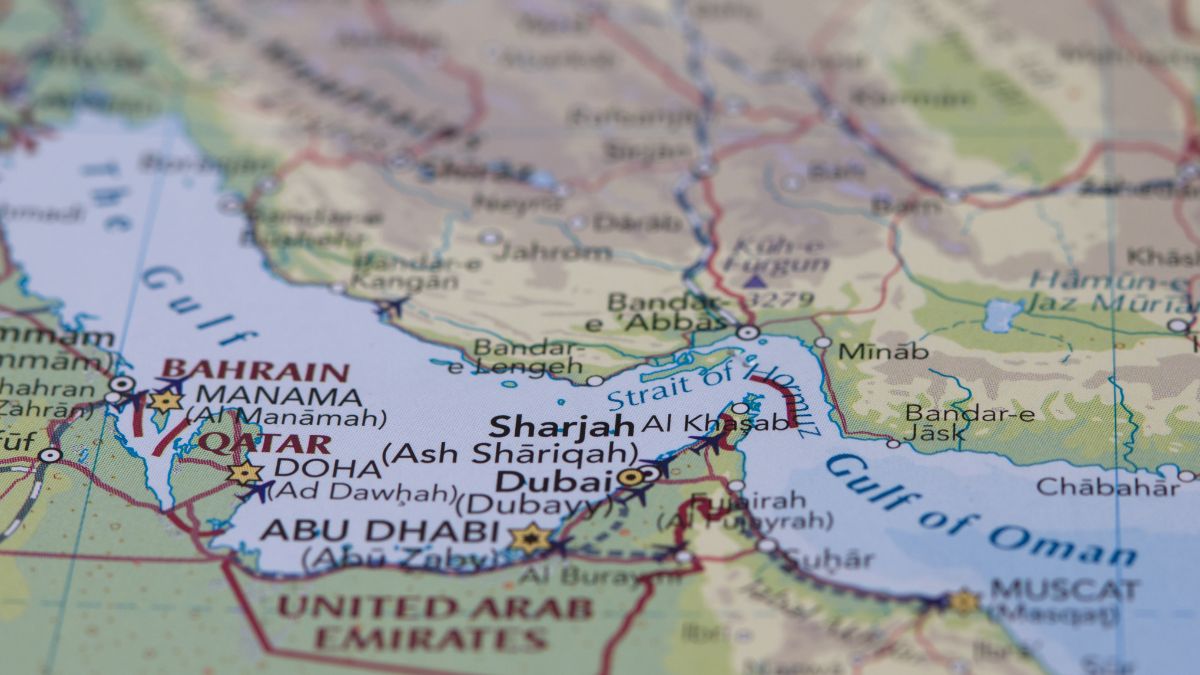
• Bahrain, Kuwait and Qatar are now included as listed areas under updated navigation clauses.
• Affected waters include the Persian/Arabian Gulf, Gulf of Oman, Indian Ocean, Gulf of Aden and Southern Red Sea.
Japan’s three biggest non-life insurers are expanding the sea areas in which shipowners must pay extra premiums for war and terrorism cover, with the changes taking effect at 00:00 JST on 13 March.
Following earlier reports that changes were under consideration, updated marine insurance materials from Tokio Marine & Nichido Fire Insurance, Mitsui Sumitomo Insurance and Sompo Japan now show that Bahrain, Kuwait and Qatar are now named listed areas under their ship war-risk navigation clauses, alongside other Gulf-related waters.
The revised documents also describe the affected waters as covering the Persian Gulf, the Arabian Gulf, the Gulf of Oman, the Indian Ocean, the Gulf of Aden, and the Southern Red Sea.
Under the insurers’ navigation clauses, shipping companies must notify insurers and agree on any additional premium if vessels enter listed high-risk waters, with cover during a breach subject to notice being given as soon as practicable and amended terms being agreed.
The changes come as marine insurers move to reprice war-risk exposure following the latest escalation in the Middle East, with hull underwriters issuing cancellation notices and sharply raising additional premiums for vessels transiting high-risk waters.
The conflict has also disrupted maritime activity around the Gulf and renewed concerns over the Strait of Hormuz, a key chokepoint for global energy shipments, including Thai and Japanese-flagged vessels, which were hit this week.