(Re)in Summary
• BNM has introduced the Insurers and Takaful Operators-Repairers Code of Conduct effective 2 Jan 2025.
• The Code outlines minimum standards for managing motor claims settlements and requires an Internal Dispute Resolution process.
• Panel Repairers must participate in the Code, while Non-Panel Repairers can join voluntarily but must meet the Code’s standards.
• A review will occur 12 months after implementation.
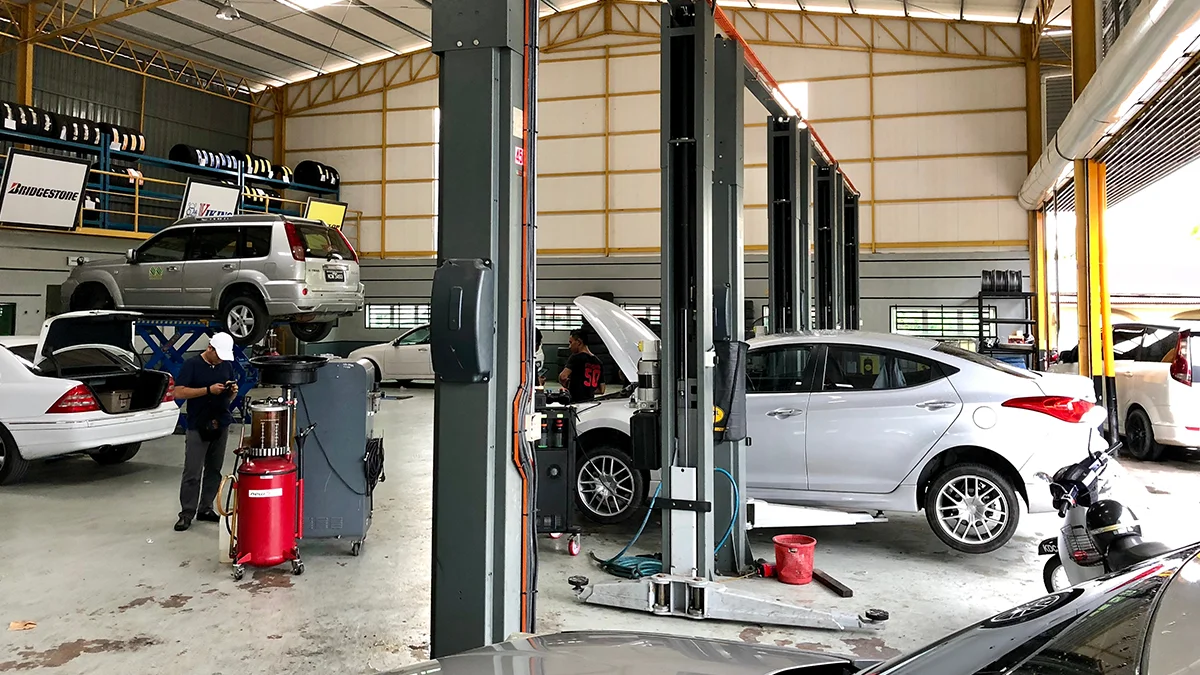
Bank Negara Malaysia (BNM) has implemented the Insurers and Takaful Operators-Repairers Code of Conduct (the Code), a cross-sector industry-wide initiative consisting of the general insurers and takaful operators (ITOs), repairers and industry associations, effective from 2 January 2025.
The Insurers and Takaful Operators-Repairers Code of Conduct aims to set out the minimum standards that ITOs and repairers must comply with when managing motor claims settlements.
Additionally, the Code requires ITOs to establish an Internal Dispute Resolution (IDR) process to ensure disputes between ITOs and repairers are resolved orderly.
The Code sets minimum terms and conditions to allow effective collaboration between ITOs and repairers and ensure a quicker and fairer motor claims and repairs process for consumers.
Panel Repairers are required to become participants of the Code, under its Service Level Agreements with respective ITOs. Though, Non-Panel Repairers may participate on a voluntary basis, they will need to adhere to the minimum standards in the Code.
The Code was developed in cooperation with Persatuan Insurans Am Malaysia (PIAM), Malaysian Takaful Association (MTA), and the Federation of Automobile Workshop Owners’ Association of Malaysia (FAWOAM).
It also incorporated suggestions from entities such as Malaysia Competition Commission (MyCC), Road Transport Department Malaysia (Jabatan Pengangkutan Jalan, JPJ) and Malaysia Automotive Robotics and IoT Institute (MARii).
A post-launch review will be initiated 12 months from the Code’s effective date, with BNM spearheading the review, in cooperation with the Secretariat and the Code Administration Committee. The review will include the feasibility of establishing a second-stage External Dispute Resolution process, as well as repairers’ response with the scope and administering of the Code.