(Re)in Summary
• BNP Paribas Cardif will withdraw from Taiwan’s P&C market after recording at least five consecutive years of losses, with the FSC confirming receipt of a formal application to cease operations.
• The exit is unlikely to disrupt Taiwan’s insurance market, with BNP Paribas Cardif holding just a 0.04% market share, the regulator said.
• A full withdrawal will take at least three years, with active policies, a two-year claims window, and potential legal proceedings all requiring resolution before the company can depart.
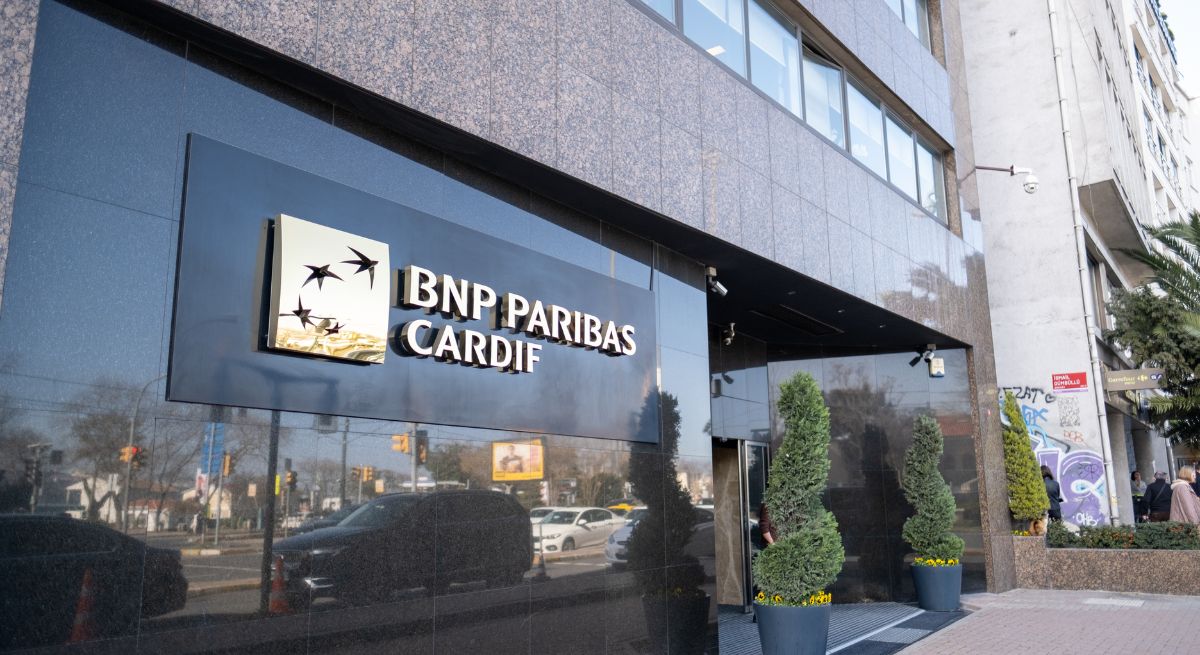
After more than two decades in Taiwan, BNP Paribas Cardif is pulling out of the property and casualty market, with Financial Supervisory Commission (FSC) Chairman Peng Jin-lung citing the French insurer’s inability to achieve sufficient scale as the primary driver of the decision.
Speaking at the Finance Committee meeting, Taiwan’s FSC confirmed it had received a formal application from BNP Paribas Cardif’s Taiwan branch to cease operations, more than 25 years after it launched in 2000.
Tsai Huo-yen, Deputy Director-General of the FSC’s Insurance Bureau, attributed the withdrawal to the insurer’s failure to grow to a scale large enough to generate sustainable revenue. Despite its French parent injecting NT$483m (approx. US$15.1m) into the Taiwan branch over the past three years, the insurer recorded losses for at least five consecutive years.
The exit is unlikely to unsettle the broader local insurance market. BNP Paribas Cardif holds just 0.04% of Taiwan’s market, with a workforce of 32 staff and 48,000 active policies primarily covering home, fire, and personal injury insurance, Tsai said.
FSC Chairman Peng Jin-lung moved to reassure lawmakers that the decision was not a reflection of Taiwan’s investment climate, noting that foreign companies operate according to differing global expansion strategies. “I am sure this decision had nothing to do with Taiwan’s investment environment,” he said.
A full exit is not imminent. Tsai noted the process would take a minimum of three years, as most property insurance policies carry one-year terms and policyholders retain a two-year window to file claims. Any ongoing legal proceedings in Taiwan would also need to be resolved before the company could complete its departure.
Separately, the regulator’s proposal to allow life insurers to amortise foreign-exchange gains and losses on certain bond holdings sparked concerns among industry stakeholders. Fitch Ratings said draft accounting amendments released in late December 2025 “could increase structural FX exposure”, particularly for firms with weaker long-term currency matching.