Emerging risks | Growth Opportunities | APAC Insurance

Monday, July 13, 2026

Insight by…

Insight by type

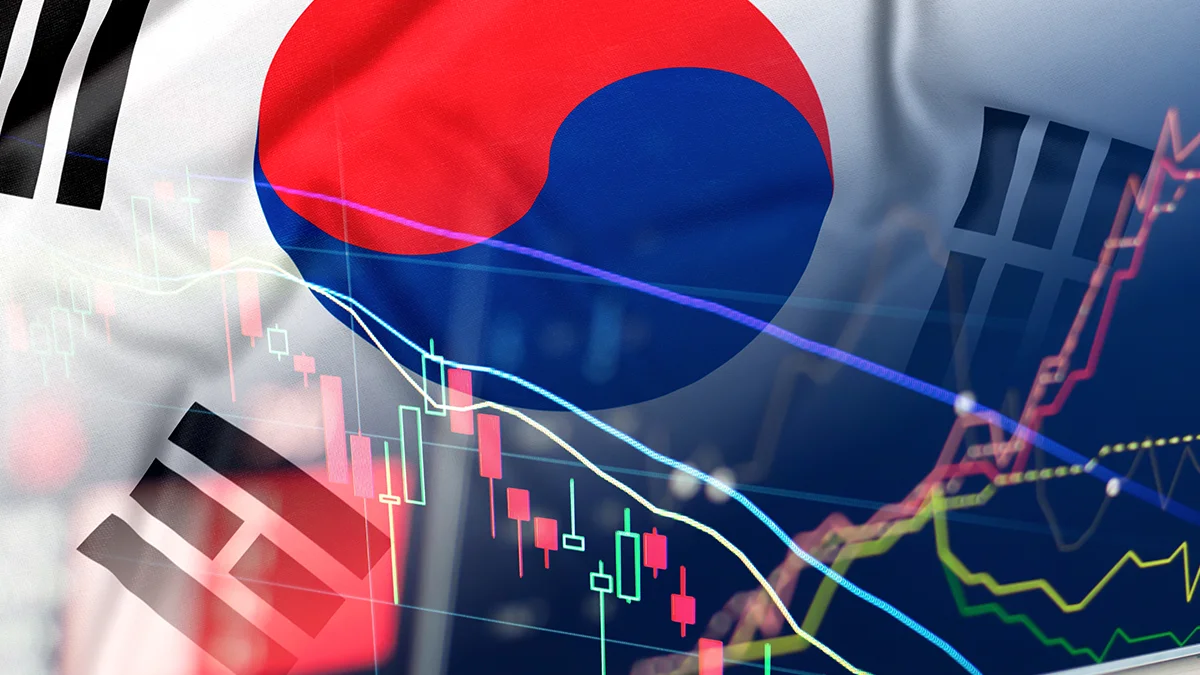
Korean life insurers face falling interest rate challenge in 2025

Premium sales figures and solvency capital levels are both under pressure from the BOK’s October reversal of interest rate policy.
Korean life insurers face falling interest rate challenge in 2025  rein asia
January 9, 2025

 • 

5 min read
The Inaugural Recognising excellence in Asia's insurance industry Find out more Entries close
28 August

(Re)in Summary

• The Bank of Korea cut interest rates in October 2025, and signalled that further cuts are being considered.
• S&P Global expects lower rates to temper demand for life insurance products from 5% in the coming two years.
• Korean insurers are likely to respond by reducing the duration gap on their assets and liabilities.
• P&C insurers are also expected to focus on interest rate risk given the increasing popularity of long dated protection policies in Korea.

Managing interest rate risk will be the key priority for Korea’s life insurers in 2025, following the Bank of Korea’s (BOK) October 2024 decision to cut rates, a move which poses capital and product sales challenges for the sector.

Following a 0.2% economic contraction in the second quarter of 2024 and facing sluggish export figures and widespread market volatility, the BOK cut its benchmark rate in October from 0.25% to 3.25% and signalled that further falls could be in the pipeline.

The BOK move marked the end of an upward rate environment which had seen interest rates rise from 0.5% in August 2021 to 3.5% in January 2023.

The central bank’s two-year battle with a Covid-linked inflation spike had the knock-on effect of boosting sales of life insurance products – a trend which ratings agency S&P Global expects to reverse in 2025.

“Korea’s life insurance market growth prospects are likely to slow down over the next two years. We expect annual premium growth rate to be modest at 2%-3% in 2025-2026, from an estimated 5% in 2024.

This is because we expect the demand for savings and annuity insurance which was solid in 2024 will likely weaken over the next two years amid lower domestic interest rates.

In addition, life insurers will focus on sales of protection policies with higher insurance margin than savings policies,” S&P said in a December sector analysis.

Life expectancy

Korean Re took an even more pessimistic view of the 2025 growth prospects for the domestic life sector.

The reinsurer said in its latest market bulletin that it expects Korean life insurance product sales to increase by just 0.3% in 2025.

Lower interest rates also pose challenges for life insurers under the accounting and solvency regulations given that Korea introduced the IFRS 17 and K-ICS frameworks on 1 January 2023.  

S&P said that it expected Korean life insurers to continue reducing the duration gap between their assets and liabilities, through extending investment tenor and selling policies with low guarantees or shorter maturities.

“This has been a priority particularly under Korean International Financial Reporting Standards (K-IFRS) 17 and a regulatory solvency framework implemented from 2023 as the financial statements better represent the economic view of the business and uncover the risks from duration mismatches.

If life insurers fail to adequately manage interest rate sensitivity, they may face a capital squeeze because reserving requirements could increase more than asset valuations amid lower domestic interest rates,” S&P said.

Rates of change

The risks posed to Korean life insurers by falling interest rates were highlighted in the first half of 2024, when the 10-year Korean Treasury bond yield declined from 3.41% at the end of March 2024 to 3.27% at the end of June 2024.

Korean Re said in its market bulletin that at the end of June 2024, the required K-ICS capital for life insurers rose by KRW 2.6 trn, of which KRW 1.5trn was due to the decline in interest rates.

The rest was linked to a growth in life and long-term insurance risks from a rise in health insurance sales.

According to Korean Re the fall in interest rates also prompted a ten percentage point fall in Korean life insurers K-ICS solvency ratios, compared with the previous quarter, to 212.6%.

“The primary reason for the decline in the solvency ratio was a decrease in available capital (-KRW 1.8 trn) due to the impact of falling market interest rates, combined with an increase in required capital (+KRW 2.6 trn),” Korean Re said.

Service orientated

S&P said that managing interest rate risks would also be a concern for Korea’s P&C insurers.

According to the ratings agency, demographic change in the East Asian country means premium growth in the general insurance sector would be driven by long-term protection-type policies, including health insurance.

In addition to rising demand these types of products are attractive under the contractual service margin (CSM) element of IFRS 17, which enables profits to be released over the course of the contract.

S&P said that it expected P&C firms to see annual premium growth of 3-4% for these types of products over the next two years.

Sales of these products are already sizable, with long-term protection and savings insurance accounting for about 69% of direct premiums written, auto (19%) and commercial (12%) insurance, according to the ratings agency.

“The management of interest rate risk is a priority under the accounting rules and regulatory solvency framework implemented from 2023. While P&C insurers are better positioned than life insurers, some P&C insurers with large exposure to long-term insurance still have a gap in their assets and liabilities duration.

If they don’t adequately manage the interest rate sensitivity by maintaining a narrow duration mismatch, such insurers could face volatility in capital adequacy,” S&P said.

The Inaugural Recognising excellence in Asia's insurance industry Find out more Entries close
28 August