(Re)in Summary
• Government’s Budget 2024 allocates NZ$10.5m for a new National Emergency Management Facility and NZ$23m for NGOs to replace assets and improve emergency response.
• NZ$81.8m is allocated for recovery from 2023 North Island weather events, including temporary housing, debris removal, and local council recovery efforts.
• Insurance Council of New Zealand welcomes the budget, noting its focus on resilience and risk reduction, and highlighting the cost-saving benefits of flood resilience investments.
The New Zealand Government has unveiled its 2024 Budget, which includes investments to bolster the nation’s emergency preparedness, aid communities affected by severe weather events in 2023, and enhance resilience against future natural disasters.
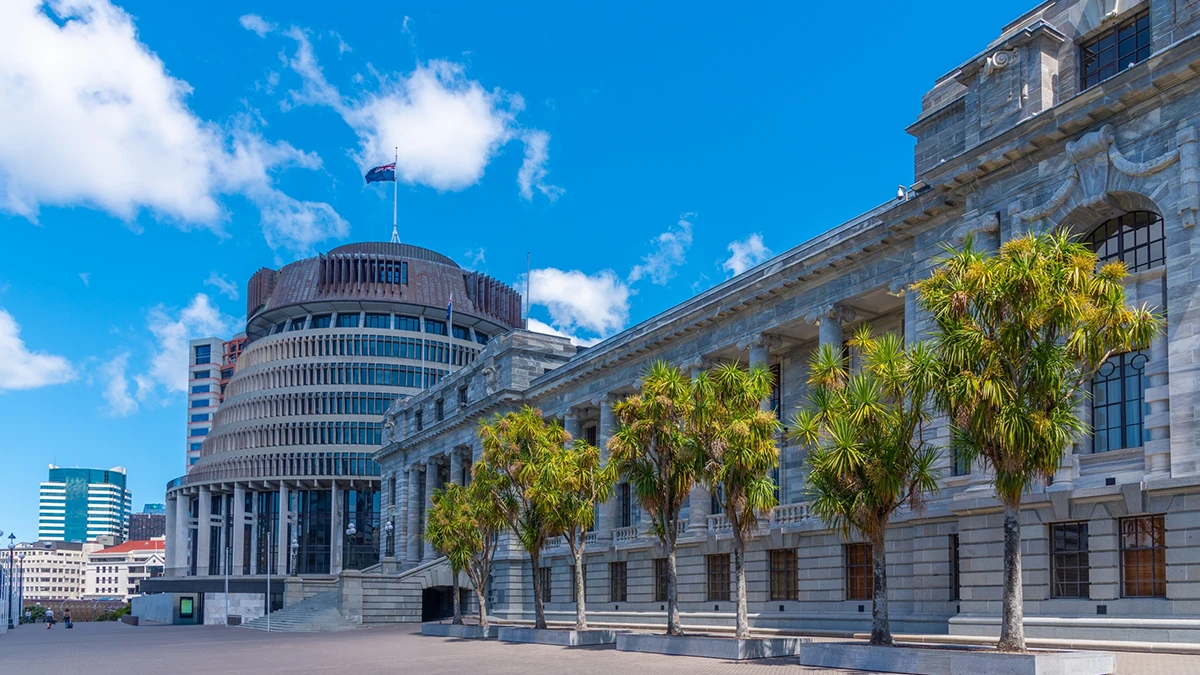
The budget allocates NZ$10.5m (US$6.45m) over the next four years for the construction of a new National Emergency Management Facility in Wellington. Scheduled for completion in late 2026, this facility aims to replace the current “bunker” in the basement of the Beehive—the Executive Wing of the New Zealand Parliament Building—which has been deemed “not fit for purpose” by multiple reviews, including a recent Government Inquiry.
Minister Mark Mitchell commented, “We have a dedicated and skilled emergency management workforce, but they’ve been limited by substandard facilities and systems. This new facility will equip them better to do their job helping communities impacted by emergencies.”
The budget also includes NZ$23 million for non-government organisations such as Surf Life Saving New Zealand, Coastguard New Zealand, New Zealand Land Search and Rescue, and Amateur Radio Emergency Communications. This funding will replace assets destroyed or damaged in the North Island weather events and provide training to improve responses to future emergencies.
Several measures have been introduced to support the recovery of communities affected by the 2023 North Island weather events. This includes NZ$28m for the Temporary Accommodation Service (TAS) to assist households still displaced by Cyclone Gabrielle and the January 2023 Auckland floods and NZ$27.8m for the removal and treatment of woody debris in Tairawhiti, which poses ongoing risks to life, infrastructure, and properties. NZ$16m has been allocated for councils to expedite critical recovery functions, including voluntary buyouts, flood protection works, landslip remediation, and local transport, and NZ$10m to complete the essential clearance of sediment and debris in Hawke’s Bay.
The Budget 2024 also marks the closure of the ring-fenced National Resilience Plan (NRP) fund, established following the North Island weather events. To date, NZ$2.76bn from the fund has been committed to various rebuild activities.
Mitchell commented, “The Government remains committed to funding future rebuild, resilience, and climate adaptation projects. These projects will occur through both the Regional Infrastructure Fund and the normal Budget process.”
The Insurance Council of New Zealand (ICNZ) has expressed support for the additional funding in Budget 2024. ICNZ chief executive Kris Faafoi said, “The extreme weather events in early 2023 were New Zealand’s second-largest natural disaster and caused immense damage and disruption to lives, property, and infrastructure.”
Faafoi highlighted the importance of the budget’s measures in building resilience and reducing risks. He stated, “We know that for every $1 invested in flood resilience, we can save $6 in post-event costs.”
The ICNZ also welcomed further funding for GeoNet and the National Seismic Hazard Model, which would increase the country’s knowledge of natural hazards.
“Reducing risks to homes and communities before disasters strike is vital to helping keep insurance affordable and accessible in New Zealand. We urge the Government to continue looking at ways to ensure New Zealand is building resilience in the future,” Faafoi added.