(Re)in Summary
• Gross written premiums in the non-life sector grew by 10.5% to NT$278.5bn (US$9.2bn) in 2024.
• The segment’s combined operating ratio improved notably, with fewer insurers reporting underwriting losses compared to the previous year.
• Despite a recovery in market capitalisation, the sector’s overall capital and surplus in 2024 remained below pre-pandemic levels.
Gross written premiums (GWP) in Taiwan’s non-life insurance sector recorded their second consecutive year of growth in 2024, as most major insurers improved their combined operating ratios (COR), according to AM Best.
GWP in the sector rose by 10.5% to reach NT$278.5bn (US$9.2bn), based on data from 14 non-life insurers, including eight rated by the credit ratings organisation. Strong performances from CTBC Insurance Company Limited and Nan Shan General Insurance Co., Ltd supported the increase.
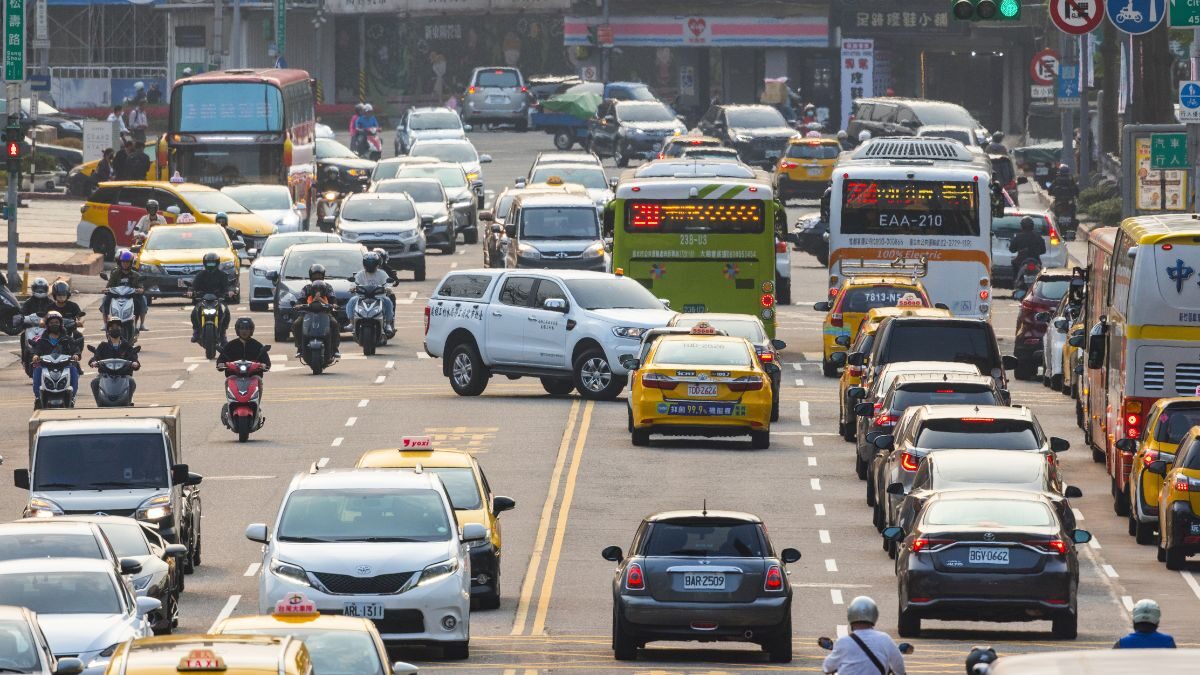
Taiwan’s non-life segment received a boost from motor insurance, contributing close to half of the segment’s direct written premiums (DWP). Voluntary motor insurance alone accounted for around 85% of motor premiums. This came despite a slowdown in overall motor premium growth in 2024, partly due to weaker new car sales through early 2025.
“Insurers are highly reliant on motor insurance, which usually accounts for a large portion of their product portfolios,” AM Best stated. Among rated insurers, Hotai Insurance Co., Ltd. derived 69.2% of its DWP from motor lines, followed by South China Insurance Co., Ltd. (59.3%) and Nan Shan General Insurance (58.7%), according to Taiwan Insurance Institute data.
Meanwhile, the segment’s combined operating ratio (COR) has continued to improve. Only two out of the 14 insurers had a COR exceeding 100 in 2024. However, AM Best noted that the five-year average COR for five rated companies remains above the breakeven point.
“Before being adversely affected by significant pandemic-related insurance losses in 2022, seven rated insurers demonstrated positive underwriting results, as evidenced by a five-year average combined ratio below 100 from 2017 to 2021,” AM Best noted.
The rating agency also pointed out that Taiwan’s non-life market recorded an improvement in operating profitability in 2023 and 2024, following a year of historically poor performance in 2022. The growth was partly driven by the release of pandemic insurance-related reserves, as well as efforts by non-life insurers to strengthen their underwriting guidelines.
AM Best’s analysis shows that the market capitalisation of eight domestic non-life insurers — including five rated entities — has not only recovered but also surpassed 2021 levels, the year before most non-life insurers were severely impacted by significant pandemic-related losses. This rebound is partly attributed to positive earnings growth and profit retention.
However, the domestic segment’s aggregate capital and surplus (C&S) stood at NT$ 152.2bn in 2024, remaining below the NT$ 175.4bn recorded in 2021.
Meanwhile, life insurers in Taiwan have been severely affected by the recent appreciation of the local currency, with leading firms nearly doubling their losses in May as a result of the surge. In response to ongoing financial market volatility, Taiwan’s Financial Supervisory Commission has introduced interim measures to support life insurers in their transition to IFRS 17 and the new generation of solvency regulations.