(Re)in Summary
• Three commercial vessels sustained damage from projectile strikes in the Strait of Hormuz on 11 March, ending a 72-day lull in attacks.
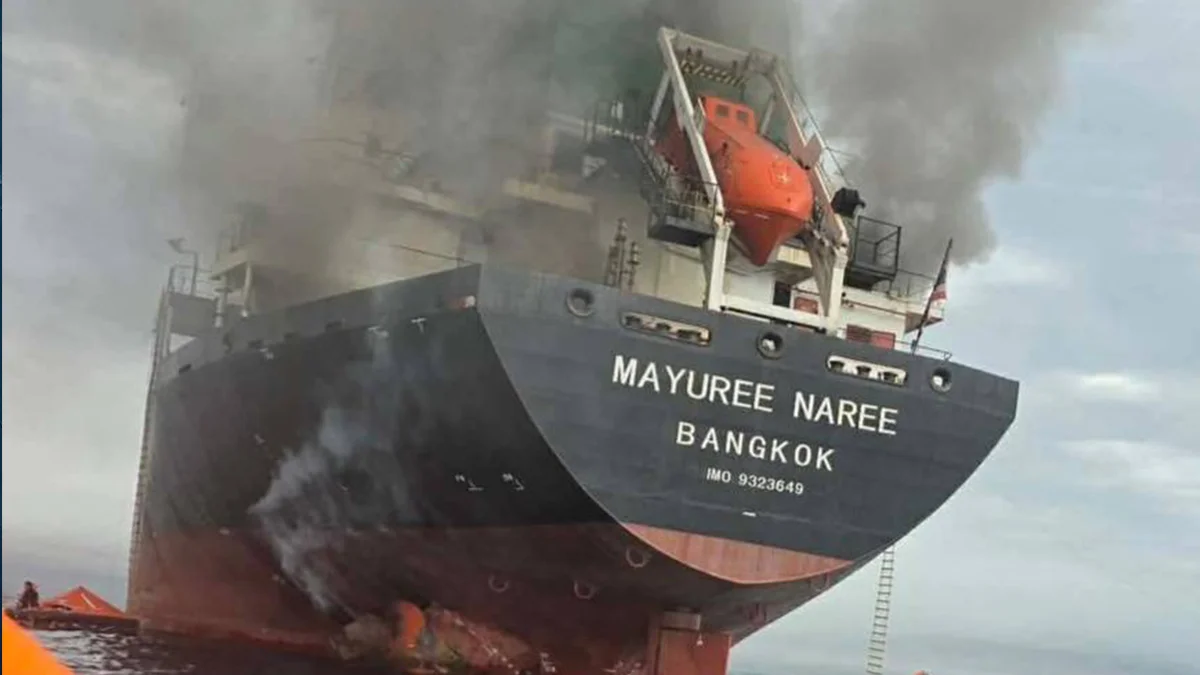
• Iran’s Revolutionary Guards claimed responsibility for the worst-hit vessel, the Mayuree Naree, which caught fire after being struck
• No fatalities were reported across the three incidents.
• The attacks bring the number of merchant vessels struck since 28 February to at least 14, with shipping traffic through the strait slowing to near standstill.
• On the same day, the US DFC named Chubb as lead underwriter for a US$20bn maritime reinsurance facility for Gulf shipping, amid questions about whether the facility can meet current operational risks.
Three commercial vessels sustained damage from projectile strikes in the Strait of Hormuz on 11 March, ending a 72-day lull in attacks on merchant shipping in the waterway.
The worst-hit vessel was the Mayuree Naree, a Thai-flagged bulk carrier owned by Bangkok-listed Precious Shipping, which caught fire after two projectiles struck its engine room approximately 11 nautical miles off the Omani coast.
The Omani navy rescued 20 of the 23 crew, with three remaining on board to assist with recovery operations. The Royal Thai Navy confirmed there were no fatalities. Iran’s Revolutionary Guards claimed responsibility for the attack in a statement carried by Tasnim news agency, describing the vessel as having been “fired upon by Iranian fighters.”
Two other vessels were struck in separate incidents on the same day.
The ONE Majesty, a Japanese-flagged container ship owned by Mitsui O.S.K. Lines and chartered by Ocean Network Express, sustained a strike approximately 25 nautical miles northwest of Ras Al Khaimah in the United Arab Emirates while at anchor. The projectile caused damage above the waterline, but the vessel remained seaworthy and all crew were reported safe.
The third vessel, the Marshall Islands-flagged bulk carrier Star Gwyneth, owned by Star Bulk Carriers, was struck around 50 nautical miles northwest of Dubai. The projectile hit the hold area, with no crew injuries reported.
The three incidents bring the total number of merchant vessels struck since the US and Israel began strikes on Iran on 28 February to at least 14 .
Iran’s Revolutionary Guards have issued open warnings that any vessel transiting the strait would be targeted. The US Navy has so far declined near-daily requests from the shipping industry for military convoy escorts, citing the level of attack risk as too high.
The UK Maritime Trade Operations confirmed all three incidents. Shipping traffic through the Strait of Hormuz, which handles roughly a fifth of the world’s oil supply, has slowed to a near standstill since the conflict began.
Insurance response
The attacks came on the day the US International Development Finance Corporation (DFC) announced that Chubb would serve as lead underwriter for its US$20bn maritime reinsurance facility, the first concrete step in deploying an insurance backstop for vessels transiting the Gulf.
The facility, which covers hull and machinery, cargo, and war-risk losses, was launched on 6 March following a directive from US President Trump to provide political risk insurance for Gulf shipping “at a very reasonable price.”
The DFC and Chubb said they have jointly identified several US insurers to participate as reinsurers behind Chubb, with further capacity partners expected to be named shortly.
The fresh attacks, however, are likely to sharpen scrutiny of whether the facility can provide sufficient cover at a time when operational risks remain acute. Morningstar DBRS warned earlier this month that elevated security conditions — including missile strikes and drone attacks — may deter many operators from transiting the strait even where coverage is available.