Emerging risks | Growth Opportunities | APAC Insurance

Tuesday, July 14, 2026

Insight by…

Insight by type

“Unprecedented” Saltoro cherry loss may shake up cargo coverage limits

Singapore-flagged Maersk Saltoro has docked in Nansha port, with initial inspections revealing extensive damage to 24,000 metric tons of Chilean cherries.
unprecedented saltoro cherry loss may shake up cargo coverage limits  rein asia
February 20, 2025

 • 

4 min read
The Inaugural Recognising excellence in Asia's insurance industry Find out more Entries close
28 August

(Re)in Summary

• Maersk Saltoro, carrying 24,000 metric tons of Chilean cherries, broke down in Micronesia on January 13 and arrived a month later than scheduled.
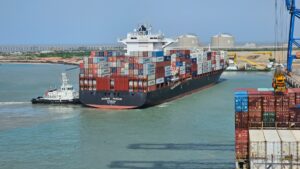
• Vessel arrived at Nansha port in China on February 16, with initial container inspections showing severe deterioration, including mould, fruit rot and cracking.
• Potential losses estimated between US$75.12m to US$154.8m, despite data showing cherry prices dropped from Oct 2024 to Feb 2024.
• Claims specialists say the incident could lead to a change in coverage limits for perishables.

The insurance claims picture for the troubled cargo vessel Maersk Saltoro (IMO: 9725706) is becoming clearer, as initial inspection of the entire shipment of cherries on board reveals widespread damage that may result in a significant loss event, authorities confirmed.

Preliminary examinations of containers after the vessel’s February 16 docking in China uncovered mould and rot damage, according to an email to exporters reviewed by (Re)in Asia. A separate industry source told (Re)in Asia that quality inspection had not been encouraging, with the cherries showing decay and signs of cracking.

Overall, quality inspections of ten containers have been completed, with all showing severe damage, according to trade publication FreshPlaza. Five containers have already been designated for disposal.

“Although no official information was given on the actual condition of the cherries at this moment, none of the fruit that has been inspected by Chinese customs up to today, were allowed entry into the Chinese market,” said Elina Yan, partner at specialist claims surveyor Q-Scan. “Reportedly cherries were found with mould, cracks and watery.”

Founder of Q-Scan Kristien De Waele said the scale of the potential loss is unprecedented. “It’s the first time this has happened in the 20 years of experience I’ve had with fruit surveys,” she said.

Experts caution that accurate loss calculations will take time, as estimates will have to include considerations for Lunar New Year pricing along with variables such as cherry size, colour and variety. “We really need to consider all the facts,” Yan adds.

The Saltoro incident is expected to prompt underwriters to up their maximum coverage limits for perishables, according to De Waele, though it is not clear if there will be a change, given the extraordinary nature of this loss event.

The Singaporean-flagged Maersk Saltoro, part of the 30 Chile-to-China Cherry Express fleet, broke down on January 13 in Micronesian waters while carrying 1,300 containers of Chilean cherries (24,000 metric tons), alongside berries and nectarines destined for the Lunar New Year market. After drifting for two weeks, it arrived a month behind schedule.

Cherry prices from the Chilean market have fallen from US$42.20 per kg in October 2024 to US$3.13 per kg on February 3, according to market research portal iQfruits. The drop occurs amid a record season, with Chilean exporters shipping 17,000 containers to China, as well as reduced demand following the Lunar New Year period.

In terms of total loss, iQfruits data suggests potential losses could range between US$75.12 to US$154.8 million in market value. Industry sources from Chile and China say the cherries could have fetched between US$60-130 million on the market, FreshPlaza reported.

Chilean cherry exporters are already responding by diversifying their market reach and exploring opportunities in India and other Asian countries – a strategy that could help spread future aggregation risks.

“But it remains a fact that the production of cherries coincides very well with the Chinese New Year. In China, the price per box remains very high compared to other destinations,” De Waele added. “What I would anticipate is that there will not be a change in the actual policies themselves, because this is an unprecedented event that cannot be foreseen.”

The Inaugural Recognising excellence in Asia's insurance industry Find out more Entries close
28 August