Emerging risks | Growth Opportunities | APAC Insurance

Monday, July 13, 2026

Insight by…

Insight by type

2025 insured loss dip masks rising APAC catastrophe complexity — Willis

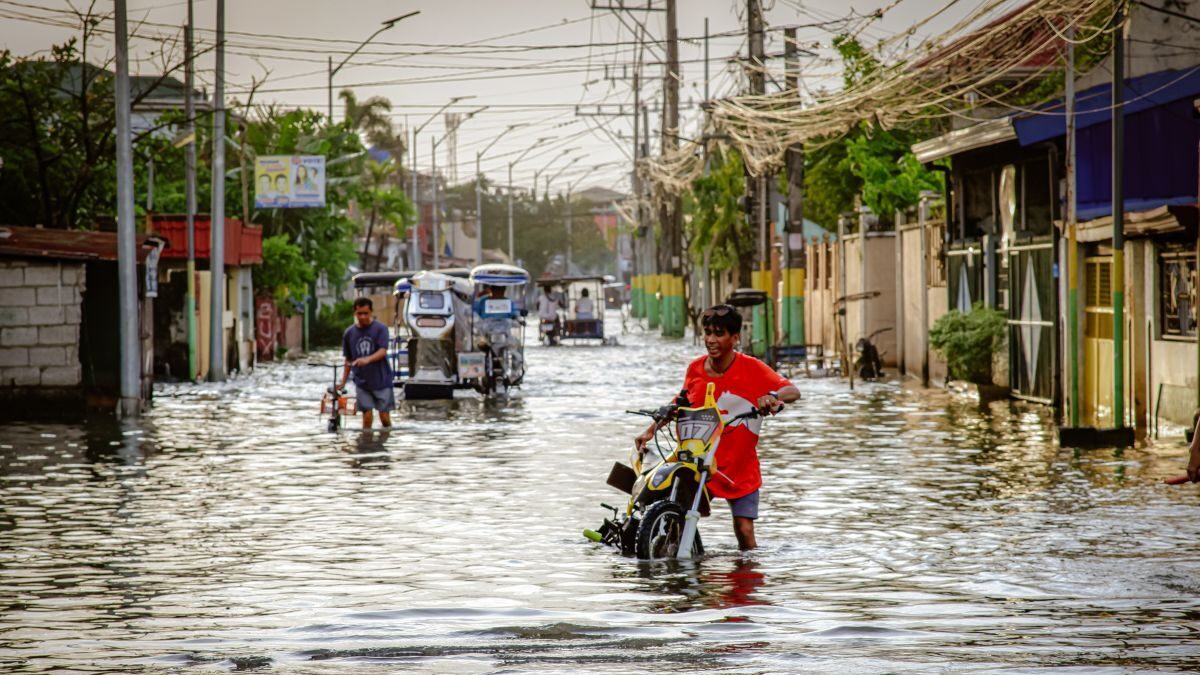
Clustered events in the Philippines and Southeast Asia highlighted rising claims complexity and the region’s widening protection gap.
2025 insured loss dip masks rising apac catastrophe complexity  willis  rein asia
January 30, 2026

 • 

3 min read
The Inaugural Recognising excellence in Asia's insurance industry Find out more Entries close
28 August

(Re)in Summary

• Willis estimates 2025 insured catastrophe losses at over US$100bn, down about US$40bn from 2024, but says the dip reflects luck rather than lower underlying risk.
• In the Philippines, multiple typhoons and earthquakes in close succession highlighted compounding hazards, claims complexity, and insurance penetration below 1%.
• Southeast Asia floods from a rapid sequence of storms could push economic losses above US$10bn, with unusually warm seas and climate patterns cited as key drivers.

Insurers shouldn’t read 2025’s lower catastrophe losses as a sign risk is easing; instead, they should note the rising complexity and clustering of events in Southeast Asia and a widening protection gap in the Philippines, Willis said in a report published Thursday.

Natural catastrophes generated more than US$100bn of insured losses globally in 2025, marking the sixth consecutive year above that threshold, though down about US$40bn from 2024, according to the broker’s Natural Catastrophe Review 2026. The total was recorded without a single hurricane making landfall in the United States, which Willis said underlined the persistence of catastrophe risk despite a year-on-year decline.

“Good luck is no substitute for sound strategy,” Cameron Rye, Willis Re’s director of natural catastrophe analytics, said. “Even if 2025 can be described as a moderate loss year, catastrophe risk remains high, and physical risks continue to increase as the world warms.”

Early indications from late-November and early-December flooding across Southeast Asia suggest economic losses could be “well above US$10bn”, Willis said, compared with the US$1bn–US$2bn range it described as typical for major regional flood events over the past decade. That implies losses could be around ten times higher, or up to roughly 1,000% above recent norms.

The report highlights the Philippines as a case study in compounding hazards. Super Typhoon Ragasa made landfall across the Babuyan Islands and northern Luzon at peak intensity on 22 September 2025, with maximum sustained winds of 270 km/h, and caused widespread disruption, including power outages affecting more than 750,000 homes. 

The storm was followed by further landfalls in November: Category-1 Typhoon Kalmaegi struck Cebu on 4 November, and was reported to have damaged more than 637,000 houses, while Category-2 Typhoon Fung-Wong later hit central Luzon and damaged a further 85,000 homes.

Earthquakes then added to the strain, with a magnitude-6.9 event off Cebu on 30 September reported to have killed 79 people, displaced more than 20,000, and damaged more than 100,000 houses, followed by a magnitude-7.4 quake off Mindanao on 10 October. Willis said clustered sequences could complicate claims attribution and create delays or disputes where covers are peril-specific.

Christopher Au, head of Willis’s APAC Climate Risk Centre, said the Philippines’ vulnerability is amplified by low coverage, with insurance penetration “currently less than 1%”, and argued that “risk-layered disaster financing, combining public, private, and parametric solutions” is becoming essential when disasters strike in rapid succession.

Beyond the Philippines, Willis pointed to late-November and early-December flooding driven by a rapid sequence of storms that affected multiple Southeast Asian markets. Indonesia alone reported more than 700 deaths, over 2,600 injuries, and around 700,000 people displaced, while southern Thailand recorded more than 170 fatalities and more than two million people affected. Additional disruptions were reported in Malaysia, Sri Lanka, the Philippines, and Vietnam. 

The storms formed across separate basins within days and were fuelled by unusually warm sea-surface temperatures — about 2°C above average — alongside a strengthened northeast monsoon linked to La Niña and a positive Indian Ocean Dipole, the report said.

The Inaugural Recognising excellence in Asia's insurance industry Find out more Entries close
28 August