(Re)in Summary
• The new rates offer discounts for strata buildings with qualifying mitigation works in five key areas based on research from James Cook University’s Cyclone Testing Station.
• Adjustments to premium rating algorithms include new options for contents-only policies and flood/surge sublimit relativities for SMEs, aiming to provide more accurate risk pricing.
• The Cyclone Reinsurance Pool is expected to offer discounts to 7% of home buildings considered medium or high risk, with premiums for the highest-risk properties estimated at around half the true risk cost.
The Australian Reinsurance Pool Corporation (ARPC) has published its revised premium rates for the Cyclone Reinsurance Pool (CRP) and introduced strata mitigation discounts in its new rates.
The new rates, published Monday (Sep 30), will be effective from April next year, and introduce discounts designed to incentivise risk mitigation for strata buildings, which make up around 9% of the CRP’s premium pool, the next largest component of the CRP’s exposure that would benefit from mitigation discounts after homes.
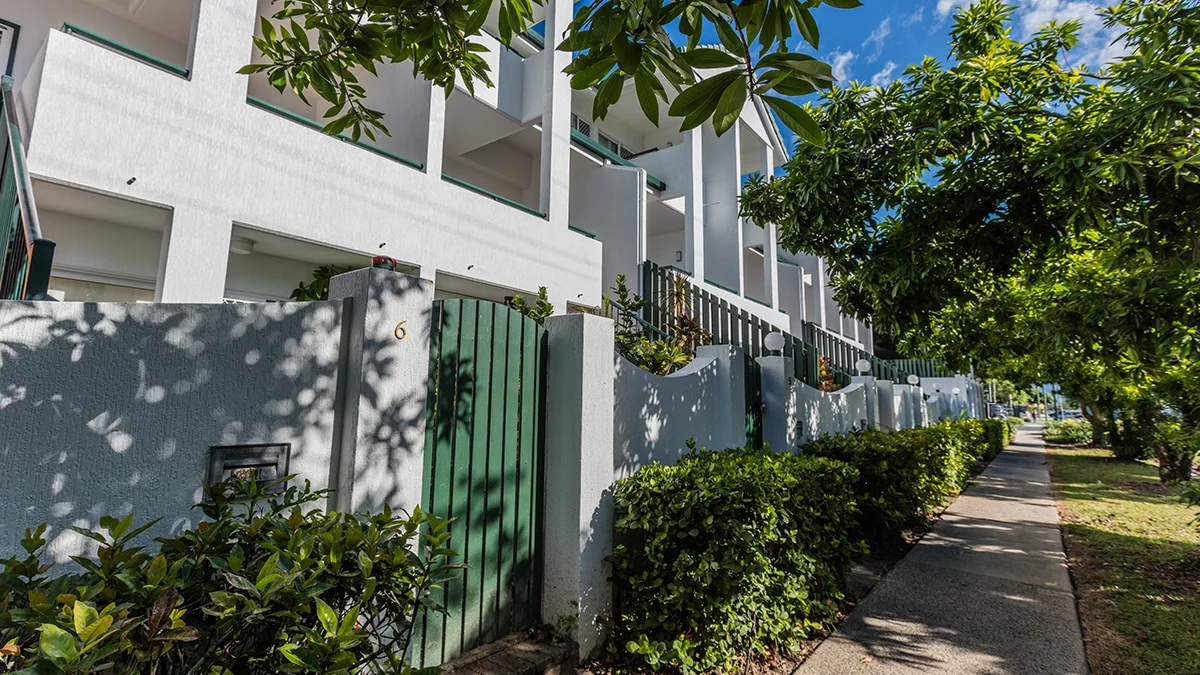
Mitigation discounts for strata buildings — property with both individual and shared ownership — will be offered for properties with qualifying mitigation works in five key areas: roofs, window protection, external doors, vehicle access doors, and gutter overflows, the ARPC said in its Pricing Determination Report, which was produced with Finity.
The mitigation discounts come as the ARPC engaged James Cook University (JCU)’s Cyclone Testing Station to find key drivers of loss from cyclones affecting strata and SME buildings. The discount structure reflecting the risk mitigations that can be practically applied from the university’s analysis, the ARPC said.
The JCU found two main causes of building damage affect strata buildings during a cyclone: wind-driven rain causing water damage within the premises and wind load.
Roof mitigation would offer the largest discounts, with full roof structure retrofits receiving up to a 10% discount. Windows with permanent protection, external doors made of metal, solid timber or glass with debris-rated impact screens or wind-rated shutters and compliant gutters and eaves will receive a 3% mitigation discount.
While buildings of all ages will be eligible for mitigation discounts, the premium rate structure ensures that newer buildings — which comply with improved standards and thus have a different starting point in terms of risk — will still have lower premiums.
Several other adjustments have also been made to premium rating algorithms, including new options for contents-only policies and flood or surge sublimit relativities for SMEs. Changes in contents-only policies primarily allow insurers that do not collect construction year information for contents-only policies to bypass this requirement. A flood and surge sublimit relativity table was also added into SME pricing algorithms, providing discounts to policies with lower flood and surge sublimits.
Standard updates to geographical risk have also been introduced, with 58 new areas assigned to wind risk bands.
Estimated policyholder outcomes
A remaining third of SME insurance policies and 10% of strata insurance policies will join the cyclone pool in 2024, with the total annual premium collected by the Cyclone Pool estimated at around $626 million when all eligible insurers join at the end of this year, said the ARPC.
The CRP is expected to offer some discounts to the 7% of home buildings considered medium or high risk, the report said, with CRP premiums around half the estimated true risk cost for 25,000 homes, the report added.
93% of homes that have low levels of cyclone risk are expected to pay a minimal sum above the technical risk cost, but the difference is expected to be small and in the tens of dollars, the APRC said.
| Risk Level | Technical Risk Rate (per $100 sum insured) | Estimated Customer Premium Rate (per $100 sum insured) | Technical Risk Cost ($500k sum insured) | Estimated Customer Premium ($500k SI) |
| Nil/minimal | < $0.025 | < $0.05 | < $125 | < $250 |
| Low | $0.025 – $0.10 | $0.05 – $0.20 | $125 – $500 | $250 – $1,000 |
| Medium | $0.10 – $0.25 | $0.20 – $0.50 | $500 – $1,250 | $1,000 – $2,500 |
| High | > $0.25 | > $0.50 | > $1,250 | > $2,500 |
Note: excl taxes, levies and all margins (including expenses and profit). Inclusive of taxes and levies paid by customer. High risk threshold defined based on top 5% of Northern Australia policies by technical cyclone risk cost.
| Basis for risk segments | Number of Home Building policies | % Home Building policies | Estimated premium adequacy | ||
| Cyclone affected regions¹ | Northern Australia² | Cyclone affected regions¹ | Northern Australia² | ||
| Nil/minimal risk | 1,868,000 | 183,000 | 75.0% | 39.0% | 136% |
| Low Risk | 448,000 | 166,000 | 18.0% | 35.5% | 118% |
| Medium Risk | 149,000 | 96,000 | 6.0% | 20.5% | 90% |
| High Risk | 25,000 | 23,000 | 1.0% | 5.0% | 46% |
An MIT paper found in September that home insurance premiums decreased by 10% by average and up to 27% for properties most at risk, and suggested that the pool helped reduce the cost of insuring spatially correlated risk, as areas where many properties would likely be damaged simultaneously in a cyclone event were very expensive to insure.
The Australian Competition and Consumer Commission, which monitors how insurers pass on the Cyclone Pool costs, also said in September that the pool has delivered some savings, but other factors have mitigated these benefits.