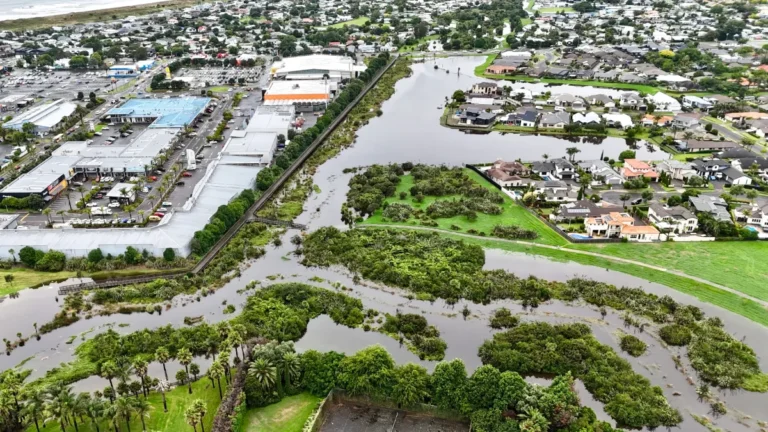
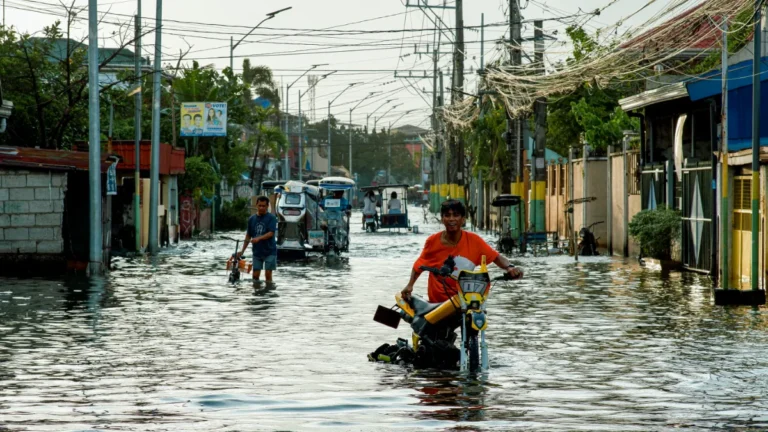
The council is urging the next government to back resilience infrastructure, stronger land-use planning and long-term funding to reduce natural hazard risks and protect insurance affordability.
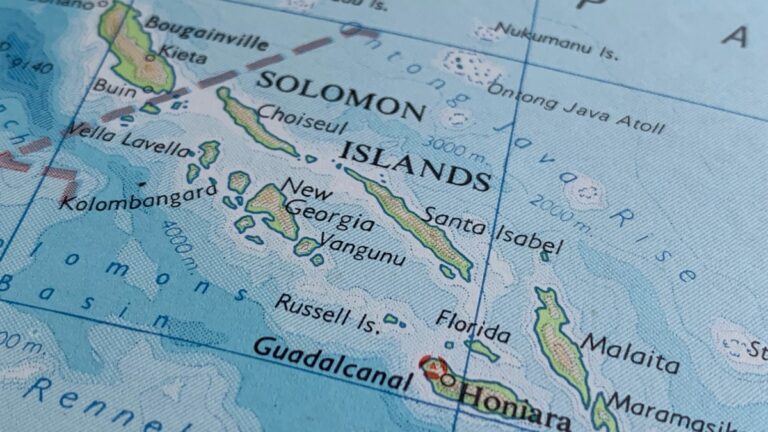
The parties will also cooperate to support risk pooling across emerging regions, while undertaking advocacy and policy initiatives to strengthen financial resilience and address insurance protection gaps....
International reinsurers are expected to absorb over 93% of the proposed programme's THB75bn (US$2.27bn) exposure, with domestic carriers retaining only a small portion of the risk.