(Re)in Summary
• Global insured losses from natural catastrophes in the first half of 2025 exceeded US$100bn, according to Aon, the second-highest on record, the broker said.
• Gallagher Re and Aon pegged economic for H1 2025 at between US$151bn and US$162bn
• Major events in Asia-Pacific included a deadly earthquake in Myanmar, Cyclone Alfred, floods in Australia, and record wildfires in the US, South Korea, and Japan.
• Wildfires generated nearly US$40bn in insured losses, with the US accounting for over 90% of global wildfire claims.
Global insured losses from natural catastrophes in the first half of 2025 exceeded US$100bn, the second-highest level on record, according to a new report from Aon. In a separate report, fellow insurance broker Gallagher Re estimated losses at more than US$84bn.
When considering total economic losses, Gallagher Re and Aon reported figures of approximately US$151bn and US$162bn, respectively. Notably, Gallagher Re observed that Asia’s losses were around 33% below the region’s 10-year average.
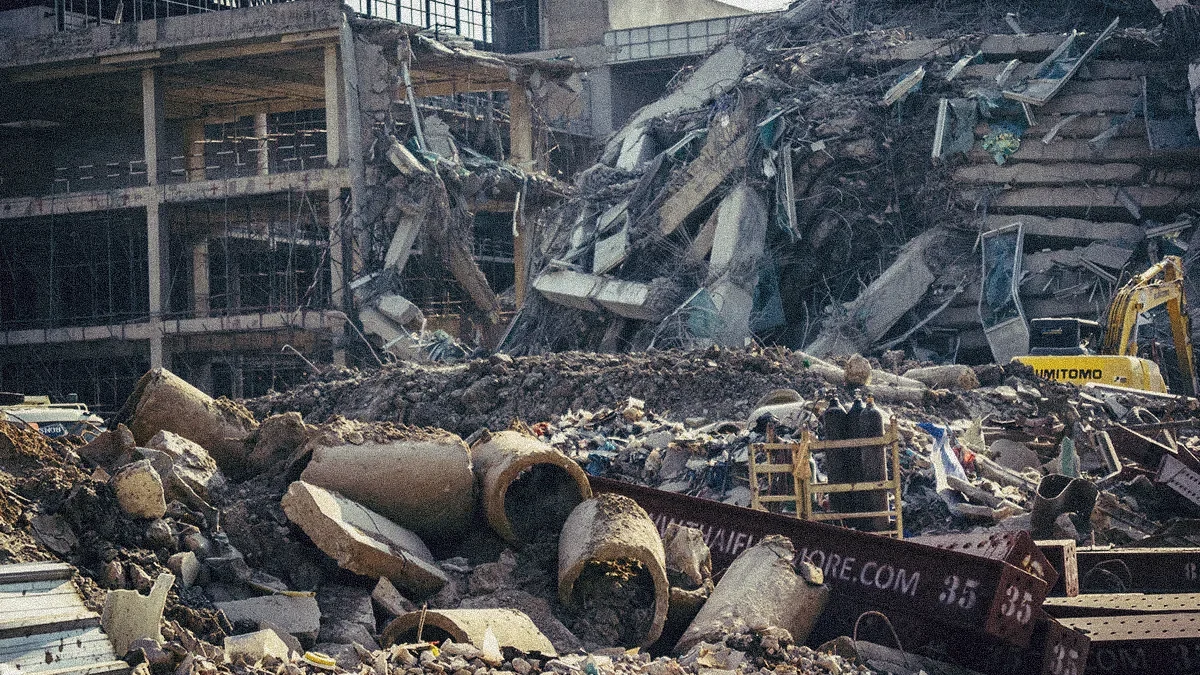
Nonetheless, a major event during this period was the devastating late-March earthquake in Myanmar, which caused nearly 5,000 fatalities and generated the highest uninsured losses worldwide.
Insurance coverage in Myanmar totalled less than US$100m, compared to an estimated loss of US$12–14bn, highlighting a significant protection gap.
The earthquake also had far-reaching effects in Thailand, where policyholders have filed around 150,000 claims valued at 30 billion baht (US$925m). The Thai General Insurance Association estimates total claims could exceed US$1.5bn, with reinsurers expected to absorb most of the losses.
In Australia, ex-Tropical Cyclone Alfred struck southeast Queensland and northern New South Wales in March, resulting in approximately US$890m (A$1.4bn) in insured losses. It was the first cyclone to impact this densely populated region since 1974’s Cyclone Wanda.
Although less severe than initially feared, Alfred still caused widespread damage, with the Insurance Council of Australia estimating industry losses at A$1.4bn (US$840m) so far, putting the event in the top 4 costliest cyclones in Australia’s recent history.
According to the Australian Reinsurance Pool Corporation (ARPC), total home claims related to recent cyclone events reached 74,372 by March 2025, up sharply from 8,727 in December 2024—with Alfred accounting for over 65,000 claims.
Record flooding in Australia’s Mid North Coast and Hunter regions in May caused up to US$450m in economic damage. As of early July, 11,500 insurance claims had been filed for these events, according to the Insurance Council of Australia.
Aon highlighted at least 15 flooding incidents and 13 severe convective storms (SCS) that hit the Asia Pacific region, including Indonesia, Malaysia, Vietnam, Thailand, and Pakistan. Gallagher’s report further noted a severe drought in China and damaging hailstorms in Japan as key events in the region.
The year of wildfires
Apart from flooding, earthquakes, and SCS, wildfires have become a growing hazard for insurers, businesses, and communities, generating nearly US$40bn in global insured losses.
Gallagher Re also noted that 2025 may rank among the five warmest years ever recorded, with global surface land and ocean temperatures rising by +1.21°C in the first half of the year.
In a separate World on Fire 2025 report, the reinsurer emphasised that the growing frequency and severity of wildfires worldwide are driven by “a warming world, changing land use, and urbanisation,” impacting even regions previously less vulnerable.
The US, which accounted for more than 90% of total insured losses, experienced the Palisades and Eaton Fires in January. These wildfires were deemed the costliest globally, amassing US$23bn and US$17.5bn in insured losses, according to Aon.
In Asia, Gallagher Re highlighted the unprecedented wildfires that struck South Korea and Japan in March, occurring notably “outside of the traditional fire season.”
South Korea experienced its most severe wildfire crisis on record, with 256,898 acres burned and up to 5,000 properties destroyed, resulting in estimated economic losses between US$766 million and US$985 million.
Beyond financial perils, the secondary impacts of wildfires include damage to tourist attractions and hospitality businesses, prolonged business disruption for agricultural sectors due to crop and livestock losses, power outages, and air pollution.