









(Re)in Summary
• K-SURE is expanding trade insurance support for South Korean cultural content exporters in 2026 after providing KRW185.8bn (US$128m) to nearly 150 firms last year.
• The insurer content push includes credit guarantees, with 17 participating companies posting combined exports of US$42m.
• K-Sure will provide a record KRW275 trillion (US$192bn) of trade insurance in 2026, including KRW114 trillion for SMEs and KRW66 trillion for exports to ASEAN and Latin America.
State-backed insurer Korea Trade Insurance Corp. (K-SURE ) has announced that it will expand its trade insurance support this year for cultural content companies, Yonhap News reported, citing company officials.
The insurer said it extended trade insurance coverage of KRW185.8bn (US$128m) to nearly 150 content companies in 2025. It also plans to increase its support capacity in 2026.
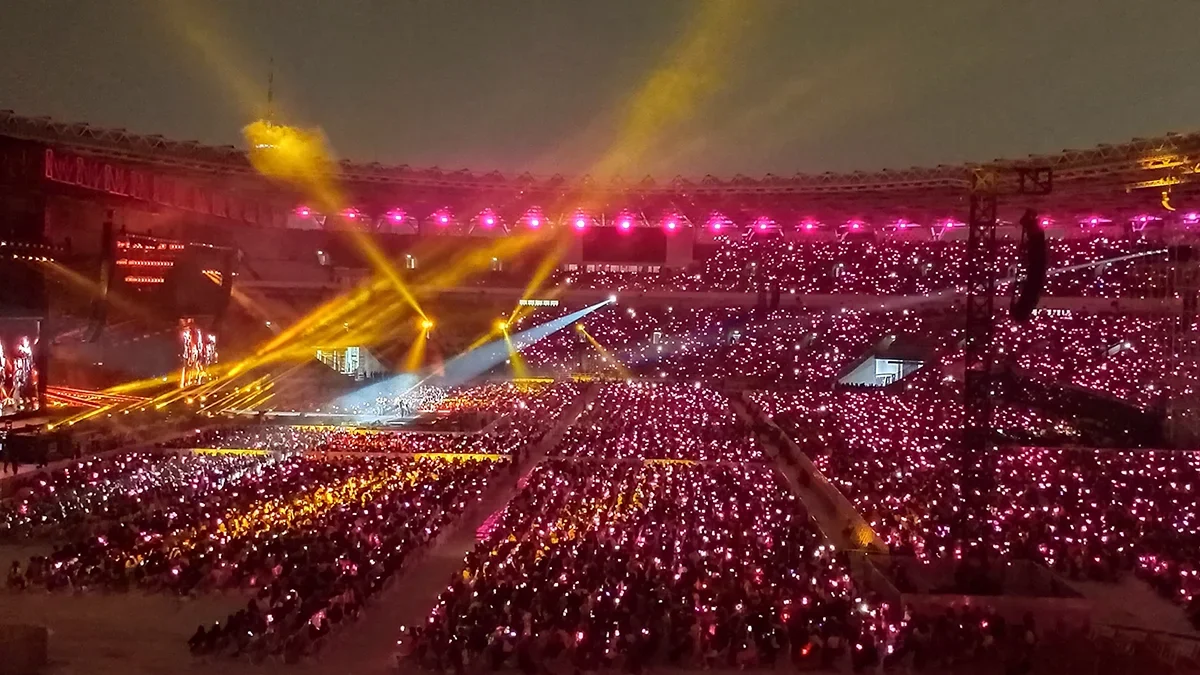
The move comes as South Korea’s content culture sector seeks to grow exports amid the global popularity of Korean culture. K-SURE said the expanded backing aims to help exporters across areas such as music, film and games as overseas demand rises.
Last year, the insurer also created a special credit guarantee programme for the culture industry. According to K-SURE, 17 content companies that joined the programme recorded combined exports of US$42m.
The push for content exporters is part of a broader expansion of K-SURE ’s trade insurance programme this year.
On 28 January, K-SURE President Jang Young-jin announced that the insurer will provide an all-time high of KRW275 trillion in trade insurance this year, including KRW114 trillion earmarked for small and medium-sized firms.
“For companies exporting to emerging economies, such as the Association of Southeast Asian Nations (ASEAN) and Latin America, we will offer 66 trillion won in trade insurance this year, up from KRW62 trillion in 2025,” Jang said.
He added that K-SURE plans measures to support strategic industries, including defence, artificial intelligence, and renewable energy, as “uncertainties in the domestic and global trade environment are persisting with continued tensions between the U.S. and China, the spread of protectionism and the reorganisation of global supply chains.”