Emerging risks | Growth Opportunities | APAC Insurance

Tuesday, July 14, 2026

Insight by…

Insight by type

Taiwan earthquake highlights importance of disaster resilience: Moody’s Analytics

While possibilities of semiconductor production delays remain, lessons learned from 1999 Jiji earthquake have made Taiwan more resilient.
Taiwan earthquake highlights importance of disaster resilience moodys analytics  rein asia
April 10, 2024

 • 

3 min read
The Inaugural Recognising excellence in Asia's insurance industry Find out more Entries close
28 August

(Re)in Summary

• The semiconductor industry, crucial to Taiwan’s economy, faced only temporary disruptions from the island’s 7.4 magnitude earthquake on 3 Apr.
• Swift recovery credited to strategic location choices and post-1999 earthquake infrastructure and procedure upgrades.
• However, potential risks include damage to machinery or wafers could still delay manufacturing, affecting global supply chains and possibly leading to price increases.

The broader economic impact of Taiwan’s 3 April earthquake is expected to be minimal, particularly for the crucial semiconductor industry, says Moodys Analytics.

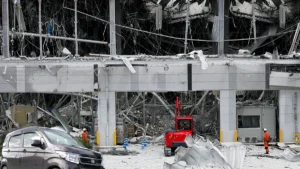
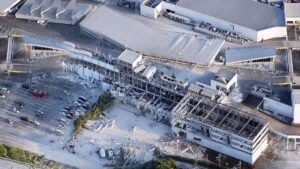
The 7.4 magnitude earthquake, Taiwan’s largest seismic event since the 7.7-magnitude earthquake in Jiji in September 1999, led to the tragic loss of 13 lives and significant property damage, particularly in Hualien County.

However, disruptions to the island’s important semiconductor industry, including Taiwan Semiconductor Manufacturing Co. (TSMC) its smaller local rival, United Microelectronics, were partial and temporary. TSMC reported that 70% of its chipmaking tools were operational just 10 hours post-quake.

This quick recovery has been attributed to strategic location decisions and upgrades to infrastructure following the 1999 Jiji earthquake.

“The fact that cutting-edge chip production now also takes place in southwestern Tainan—away from the earthquake’s epicentre—helped. So did upgrades to facilities and procedures after the 1999 earthquake,” Moody’s Analytics said.

Despite initial disruptions, just three days after the quake, TSMC maintained its revenue forecast for growth in the low- to mid-20% range, which it had originally announced in January.

“The swift recovery in Taiwan’s chip sector also underscores how much the sector has learned since the Jiji earthquake,” Moody’s said.

Manufacturing delays

Taiwan’s semiconductor sector, which accounts for 40% of the island’s exports, is a linchpin in the global electronics supply chain and, despite the quick recovery, some risks remain.

Any discovery of significant damage to machinery or wafers could impede production timelines, exacerbating global supply chain pressures, and potentially causing price surges, particularly for high-end semiconductors.

These concerns come at a time when the world is already grappling with increased commodity prices and trade disruptions, factors that could compound the effects of any prolonged semiconductor supply shortages.

In response to the quake and as part of a broader strategy to mitigate supply chain risks, TSMC announced on Tuesday its plans to expand its manufacturing footprint in the United States with a third chipmaking facility in Arizona. This move aligns with global efforts to diversify semiconductor production and reduce reliance on geographically concentrated manufacturing hubs.

While the earthquake’s immediate effects on Taiwan’s semiconductor industry have been largely contained, the event serves as a stark reminder of the sector’s critical role in the global economy.

It also highlights the importance of investment in disaster preparedness and supply chain resilience.

“Although the latest disaster will have lasting consequences on the region, reconstruction efforts will generate economic activity, which means the impact on GDP will likely be short-lived,” Moody’s concluded.

The Inaugural Recognising excellence in Asia's insurance industry Find out more Entries close
28 August