Emerging risks | Growth Opportunities | APAC Insurance

Monday, July 13, 2026

Insight by…

Insight by type

Thai insurers reassessing earthquake coverage after Bangkok building collapse: Report

Thai General Insurance Association says insurers are reviewing nat cat coverage and may separate earthquake and flood cover from fire policies.
Thai insurers reassessing earthquake coverage after bangkok building collapse report  rein asia
April 1, 2025

 • 

3 min read
The Inaugural Recognising excellence in Asia's insurance industry Find out more Entries close
28 August

(Re)in Summary

• Thai insurers are reassessing disaster coverage and may stop offering free earthquake cover after a 7.7 magnitude earthquake affected Thailand and Myanmar.
• The earthquake caused the collapse of a 30-storey building in Bangkok, resulting in 13 deaths and trapping 75 workers.
• TGIA suggests standalone earthquake policies, higher premiums, and adjusted deductibles, with more rigorous risk evaluation for new projects.
• The collapsed building was insured under a Contractor All Risk policy with losses estimated at over one million baht (US$29m).

Thai insurers are reassessing their disaster coverage and are likely to stop offering free earthquake coverage following the 7.7 magnitude earthquake that struck Myanmar and shook Thailand last Friday, according to the Thai General Insurance Association.

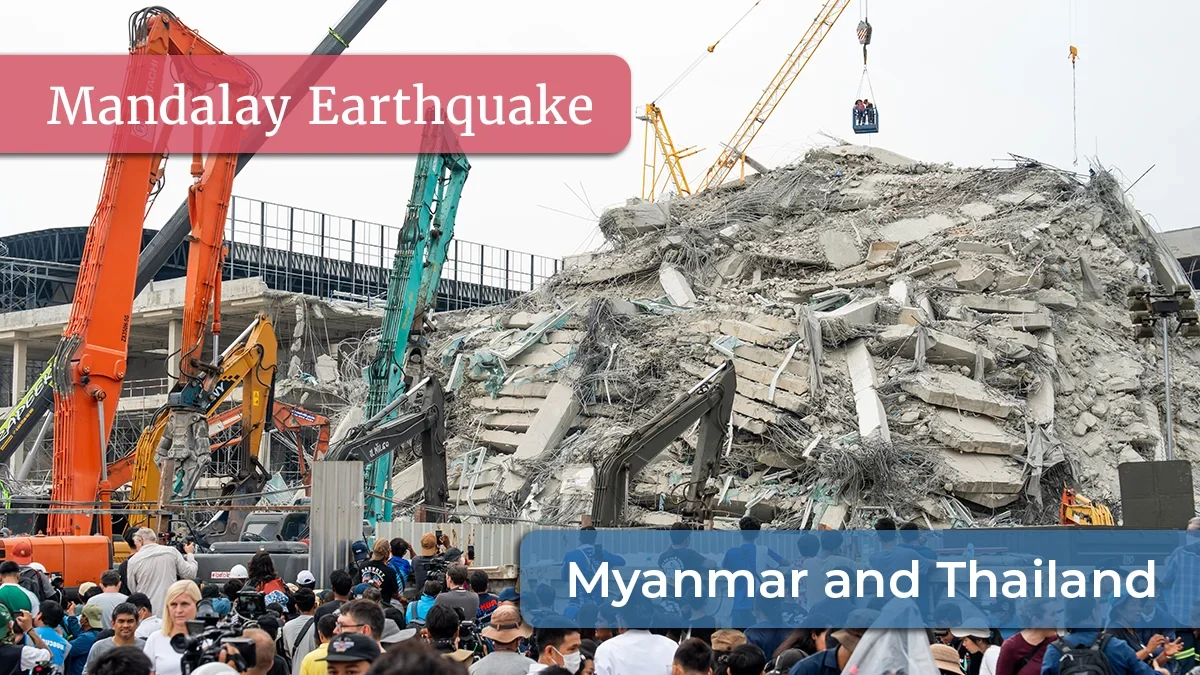
The earthquake caused destruction in both countries and led to the collapse of the 30-storey State Audit Office building, which was under construction in Bangkok’s Chatuchak district. The building’s collapse resulted in at least 13 deaths and left approximately 75 workers trapped beneath the rubble.

The TGIA said on Tuesday that insurers will stop offering free earthquake coverage and are likely to separate earthquake insurance from fire insurance policies, reported the Bangkok Post.

“Thailand has never experienced such a strong earthquake as the one that rocked the country last Friday,” said TGIA president Somporn Suebthawilkul. “As a result, insurers are reassessing their risk exposure and pricing models for natural disaster coverage.”

Previously, earthquake and flood cover have been bundled with fire insurance policies for residential and commercial buildings to encourage uptake. With rising disaster frequency and severity, this approach is expected to end.

Myrto Papaspiliou, Head of International Catastrophe Model Research at Howden Re, explained that while only 10 of Thailand’s 76 provinces are classified as earthquake risk zones, Bangkok’s soft alluvial soil amplifies shaking, making the city vulnerable to large, distant earthquakes.

“In comparison to primary perils such as typhoons and floods, earthquake risk in Thailand is considered comparatively low, although earthquake models for the region indicate that they are not unlikely,” said Souter.

Somporn suggested introducing standalone earthquake insurance policies, increasing disaster insurance premiums, and adjusting deductible rates as potential measures.

For projects not yet under construction, insurers should evaluate risks more rigorously, considering factors such as the construction company’s qualifications, Somporn suggested. For completed high-rise buildings in use, insurers will consider building usage and occupant profiles to ensure a more cautious risk assessment approach.

“The damage from this earthquake serves as a crucial lesson. Currently, all relevant parties are assessing the impact on insured customers, a process that will take time,” he added.

The State Audit Office is understood to have been insured under a Contractor All Risk (CAR) policy with a total sum insured of 2.24bn baht (US$65m), with four insurers sharing the coverage: Dhipaya Insurance (40%), Bangkok Insurance (25%), Southeast Insurance (now Indra Insurance) (25%), and Viriyah Insurance (10%).

Based on its construction progress, losses are estimated to exceed one billion baht (US$29m).

The Inaugural Recognising excellence in Asia's insurance industry Find out more Entries close
28 August