Emerging risks | Growth Opportunities | APAC Insurance

Tuesday, July 7, 2026

Insight by…

Insight by type

AI data centre boom forcing global insurance reset as accumulation risks surge — Swiss Re Institute

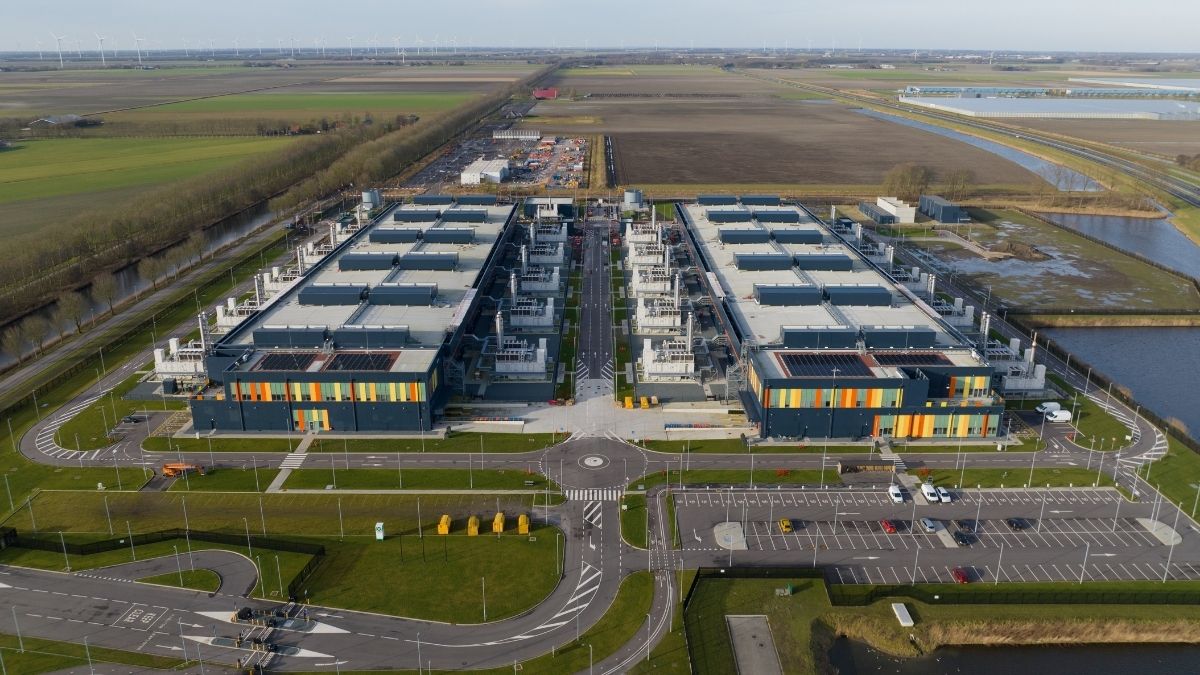
Hyperscaler capital spending is projected to exceed US$600bn in 2026, with about US$450bn (75%) directly tied to AI data centre infrastructure.
Ai data centre boom forcing global insurance reset as accumulation risks surge  swiss re institute  rein asia
March 30, 2026

 • 

3 min read
The Inaugural Recognising excellence in Asia's insurance industry Find out more Entries close
28 August

(Re)in Summary

• Swiss Re Institute has projected that global data centre capital spending by “hyperscalers” would reach US$600bn in 2026.
• Around US$450bn (75%) of that figure is tied directly to physical AI infrastructure housed in large-scale data centres.
• Insurance premiums for the sector has been projected to hit US$24.2bn by 2030.
• Individual sites can exceed US$20bn in construction costs.
• Apart from natural catastrophe and climate risks increasing globally, new technologies such as batteries and liquid cooling add emerging exposures.

The rapid global expansion of artificial intelligence (AI) infrastructure is driving unprecedented accumulation risks in data centres, challenging insurers to keep pace with rising asset values and operational complexity, according to Swiss Re Institute.

In its March 2026 sigma insights report titled “Insuring AI: Data centre value accumulation risks”, Swiss Re Institute forecast capital spending by the “big five” cloud service providers or “hyperscalers” — Amazon, Microsoft, Google, Meta, Oracle — to exceed US$600bn in 2026, a 36% annual increase. Of the figure, around US$450bn (75%) is tied directly to physical AI infrastructure housed in large-scale data centres worldwide.

The global data centre sector is expected to grow at a compound annual rate of 14% through 2030, driving insurance premiums linked to the segment up to US$24.2bn from US$10.6bn, according to the report.

It added that individual data centre campuses now cost up to US$20bn to build and can double in value once high-performance computing equipment is installed, concentrating vast insured values in single locations.

“(Re)insuring data centres at this scale is complex, both during construction and especially during the operational phase,” Swiss Re Institute said.

Beyond construction risks, operational exposures such as business interruption, service outages, and multi-tenant dependencies are becoming critical as facilities must maintain continuous uptime.

Globally, natural catastrophe risks are intensifying, with insured losses rising by 5–7% annually in real terms, while large data centre clusters amplify potential loss accumulation from single events.

While the US provides a key reference point, similar hazard exposures exist in Europe and other regions, particularly from severe convective storms that generated US$51bn in global losses in 2025.

Emerging technological shifts are also introducing new risks, including lithium-ion battery fires, liquid cooling leaks, and on-site power generation hazards linked to growing energy demands.

“Underwriting success depends not only on capacity, but on specialised technical assessment and disciplined accumulation management,” Swiss Re Institute said.

Data centre expansions in the insurance industry have boomed recently, with notable efforts by Marsh RiskAonAdvanced Technology Assurance LimitedFM, and Willis in the last six months.

The Inaugural Recognising excellence in Asia's insurance industry Find out more Entries close
28 August

Read next

City street at dusk with light trails from moving cars and a lit Tokyo Tower in the distance.
Abstract digital data waves in blue and green over a dark background, with the InsureTech Connect Asia logo in the top-left corner.
Australia Hospital