Emerging risks | Growth Opportunities | APAC Insurance

Monday, July 13, 2026

Insight by…

Insight by type

Chinese tanker struck by Houthi missiles despite promises of safe passage

Discounted war risk premiums for Chinese and Russian ships face scrutiny following missile attack on Huang Pu.
Chinese tanker struck by houthi missiles despite promises of safe passage  rein asia
March 25, 2024

 • 

3 min read
The Inaugural Recognising excellence in Asia's insurance industry Find out more Entries close
28 August

(Re)in Summary

• Houthis attacked Panama-flagged Suezmax tanker, Huang Pu (IMO: 9402469) with five anti-ship ballistic missiles.
• The tanker, operated by Hong Kong-based Hera Gam Limited, was transporting Russian oil to India and crewed entirely by Chinese nationals.
• The vessel sustained minimal damage with no casualties reported, but the attack raises doubts about the effectiveness of a reported agreement for safe passage for Chinese and Russian vessels.
• Chinese ships were reportedly paying a discounted AWRP rate of around 0.3% due to Houthi promises of safe passage, with the attack likely to prompt a reevaluation of risk assessments.

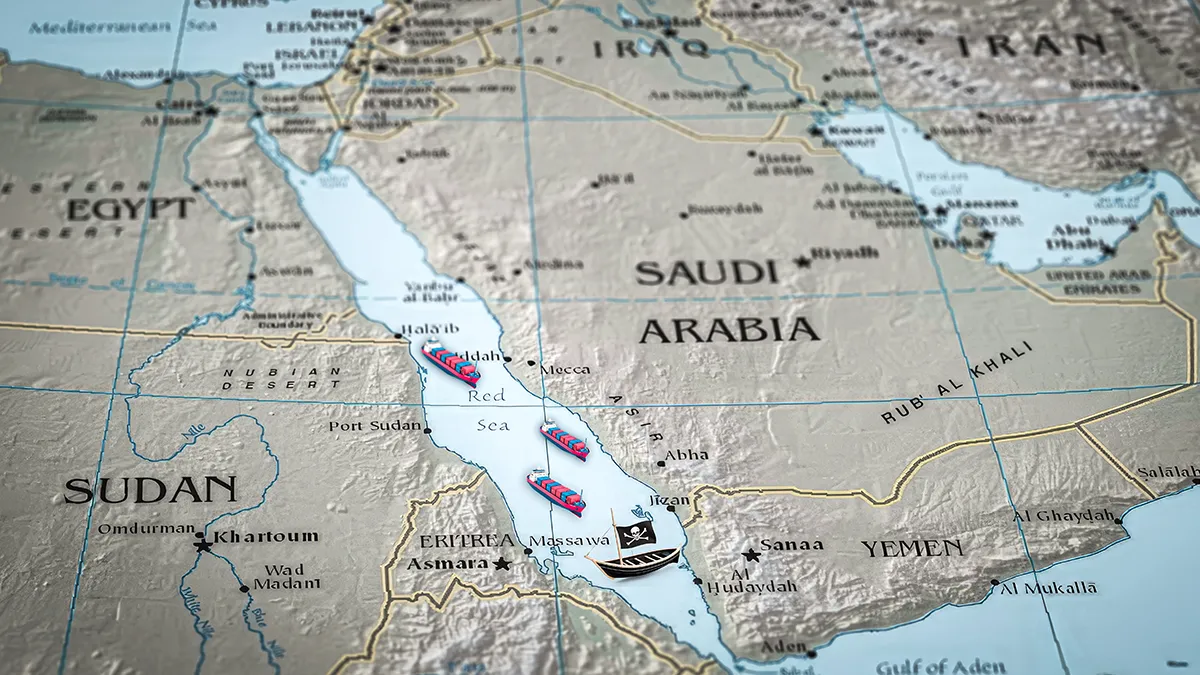
A Houthi attack on a Chinese oil tanker has cast doubt about the reliability of safe passage for Chinese and Russian vessels while raising questions about discounted war risk premiums being provided to these vessels.

On Saturday, the Panama-flagged Suezmax tanker, Huang Pu (IMO: 9402469), came under attack from five anti-ship ballistic missiles launched by the Houthi movement while transporting Russian oil to India.

The vessel, operated by Hong Kong-based Hera Gam Limited and crewed entirely by Chinese nationals, sustained minimal damage in the incident and there were no casualties, with a fire onboard quickly extinguished.

However, the attack came just days after reports that an agreement had been reached between China, Russia, and the Houthis — which demonstrates that risks still exist in spite of any agreement and casts doubt about any risk assessments derived from promises of safe passage.

Preferential war risk rates

Before the crisis in the Red Sea escalated, insurers charged an additional war risk premium (AWRP) of 0.1% to 0.2% of a ship’s total value for transit through the area. The rate has since surged to between 0.5% and 0.75% for most non-US and non-UK vessel operators, with few underwriters willing to cover US and UK-linked vessels.

In contrast, sources told (Re)in Asia in February that Chinese and Hong Kong pay a discounted rate of around 0.3% due to public Houthi assurances that Chinese and Russian ships would not be targeted. This discounted rate may now come under scrutiny.

Despite the discount that has been enjoyed by such vessels, the insurance industry has been vocal about the importance of diplomatic efforts to help secure shipping lanes for everyone.

“As the Americans diplomatically put it, they would welcome constructive Chinese engagement,” Neil Roberts, Head of Marine and Aviation at Lloyd’s Markets Association, told (Re)in Asia last month.

He emphasised the critical role of seafarers in the Asian economy, noting that ongoing impacts would have a “profound effect” on the supply chain.

While Roberts emphasised the vital importance of global trade and warned of increasing macroeconomic pressures, other industry figures warned that Chinese and Russian ships might face direct threats, due to the potential for mistaken identity.

Munro Anderson, Head of Operations at Marine War Risk at Vessel Protect told (Re)in Asia  that the promise of safe passage for Chinese and Russian vessels had provided a “degree of assurance to commercial markets associated with those countries”. But he added there were no guarantees that “incidents of miscalcuation can be avoided.”

Likewise, Canopius’s Marine War Underwriter, Nick Whitear, said “The risk of collateral damage due to misidentification and inaccurate targeting by the Houthis remains high.”

On Saturday, both Anderson and Whitear were proven right. Despite the agreement just days prior, the attack on the Huang Pu underscores the precarious nature of such promises. The attack could prompt a reevaluation of risk assessments and insurance rates for shipping in the Red Sea, putting the spotlight on discounts enjoyed by vessels linked to China and Russia.

The Inaugural Recognising excellence in Asia's insurance industry Find out more Entries close
28 August