Emerging risks | Growth Opportunities | APAC Insurance

Monday, July 13, 2026

Insight by…

Insight by type

Australian Health Minister rejects insurers’ premium hike proposal for second time

Mark Butler calls for more 'reasonable' figures, but Private Healthcare Australia warns of rising claims cost and financial pressures on insurers.
Australian health minister rejects insurers premium hike proposal for second time  rein asia
January 15, 2025

 • 

2 min read
The Inaugural Recognising excellence in Asia's insurance industry Find out more Entries close
28 August

(Re)in Summary

• Australia’s Health Minister, Mark Butler, rejected private health insurers’ proposed premium increases for the second time in months.
• Proposed premium hikes of up to 6% would be the largest since 2016, potentially adding over AU$200 annually to premiums, affecting more than half of Australians with private health insurance.
• Private Healthcare Australia noted financial pressures on insurers, with claims costs rising by 8–10% last year, and stressed that insolvency benefits no one.

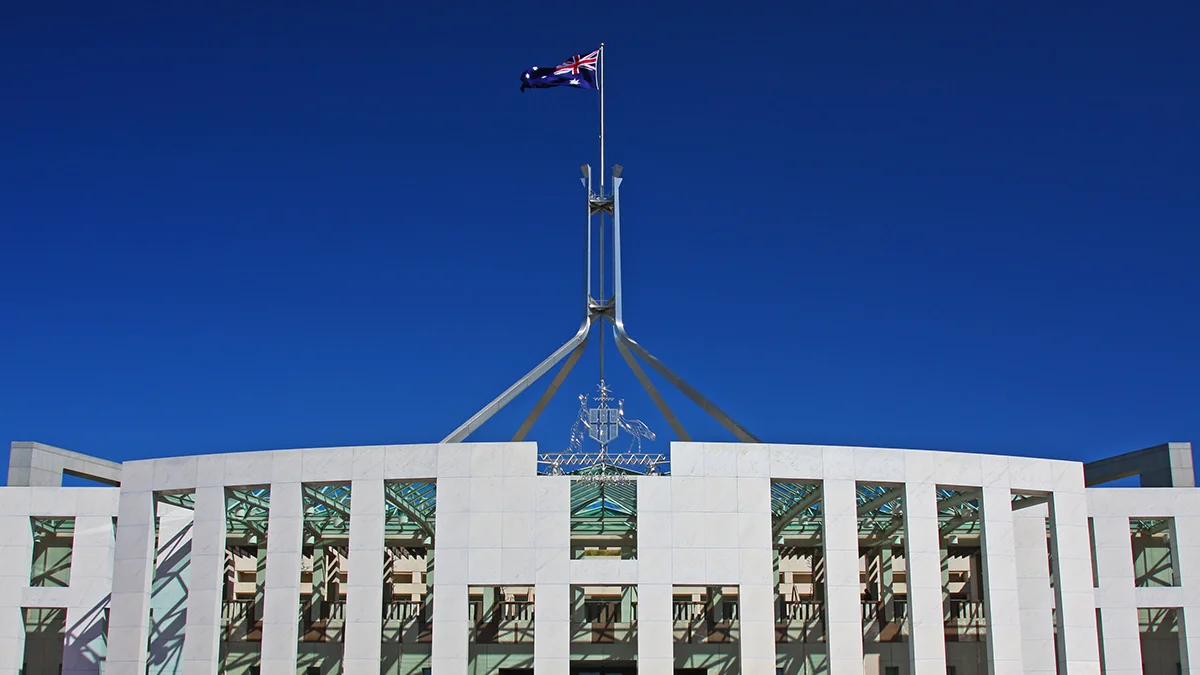
Australia’s Health Minister, Mark Butler, has rejected private health insurers’ proposed premium increases for the second time in months, demanding more “reasonable” figures in light of rising cost-of-living pressures ahead of the upcoming federal election.

The proposed premium adjustments, scheduled for implementation on 1 April, require ministerial approval and will affect over half of Australians who hold private health insurance.

The current government, led by Prime Minister Anthony Albanese, is particularly sensitive to the issue this year, as it prepares for a federal election campaign likely to focus heavily on the said challenges.

Insurers have sought premium increases of up to 6%, which would represent the sharpest rise since 2016. If approved, these increases could add more than AU$200 annually to premiums for many policyholders, with the average annual cost for hospital and extras cover already exceeding AU$3,200 for younger Australians and AU$4,200 for those over 60, according to the Sydney Morning Herald.

Butler emphasised that any increase must be “justified and proportionate,” echoing his December call for the nation’s 29 health insurers to reassess their proposals. Last year, insurers proposed similar increases, but after pushback, settled on an average premium rise of 3.03%, below wage growth and inflation at the time.

Private Healthcare Australia (PHA), the industry’s peak body, warned of significant financial pressures facing health funds. According to ABC News Australia, Ben Harris of PHA highlighted that insurers are struggling to manage an increasing gap between premium income and claims costs, which rose by 8–10%last year.

“Nearly every dollar that comes into health insurance goes back out to hospitals, to doctors, to physiotherapists to dentists,” Harris explained, cautioning that no one benefits if a health fund becomes insolvent.

Health inflation, which has been running at 5–6% annually, continues to outpace broader economic cost increases, placing additional strain on the system.

Despite these pressures, health insurance participation has remained strong, with membership growing every quarter since 2020, buoyed by incentives such as the Medicare levy surcharge for higher-income earners without private cover.

The Inaugural Recognising excellence in Asia's insurance industry Find out more Entries close
28 August