










(Re)in Summary
• KIRI warned that the Iran conflict could push up war-risk, energy and aviation insurance costs, whilst also tightening global reinsurance capacity and firming pricing.
• The institute said Korean insurers could face both underwriting losses and financial-market strain, including volatility in oil prices, equities, currencies and foreign-exchange hedging costs.
• KIRI also said prolonged instability could lead to narrower cover, stricter underwriting and higher surcharges for vessels, aircraft and energy assets exposed to the region.
The Korea Insurance Research Institute (KIRI) has warned that the escalating conflict involving Iran could drive up war-risk and energy insurance costs, tighten reinsurance capacity and add fresh pressure to Korean insurers’ investment and hedging strategies.
In its March CEO Brief, written by Jeyoung Moon, a research fellow at the institute, KIRI said the fallout from the conflict could be felt across marine, aviation, energy, reinsurance and export credit insurance, with insurers facing both underwriting and financial-market risks.
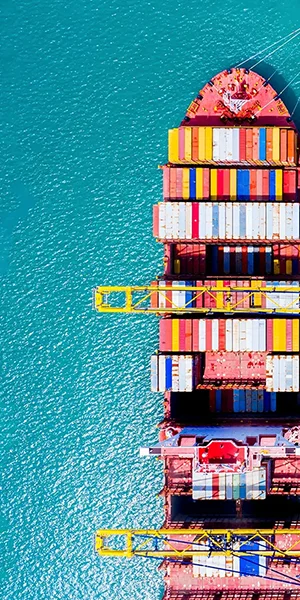
KIRI noted that major marine insurers, including Gard and NorthStandard, had begun withdrawing war-risk cover for vessels operating in Gulf waters, and it expects higher surcharges for ships moving through high-risk areas. In aviation, it said widespread airspace closures had led to about 1,900 flight cancellations and stranded more than one million passengers as of 3 March, increasing pressure on war-risk clauses and premium rates.
The institute also pointed to growing risks for energy insurers, saying oil and gas facilities and pipelines in the Middle East faced a greater threat of military attack. That, KIRI said, could lead to stricter underwriting, narrower cover and higher premiums.
For reinsurers, KIRI said large losses linked to aircraft incidents, tanker attacks and damage to energy infrastructure could flow into the global reinsurance market, limiting underwriting capacity and contributing to firmer pricing conditions.
Beyond underwriting, KIRI said Korean insurers could also face pressure through market volatility, higher oil prices and renewed inflation concerns. It noted that a stronger US dollar and weaker equity markets could result in valuation losses on risk assets, whilst life insurers may come under greater strain in managing long-term liabilities if investment returns weaken.
KIRI added that persistent currency volatility could raise the cost of rolling over foreign-exchange hedges and complicate liquidity management. However, it said the effect on Korean insurers’ solvency positions should be limited, given their relatively low share of unhedged foreign-currency assets.
That warning is already being echoed by South Korean authorities and state-backed institutions as they step up contingency planning around the conflict. Last week, the Financial Supervisory Service held an emergency meeting with chief financial officers from 14 (re)insurers, where the regulator urged them to strengthen risk management and review war-risk reinsurance for marine cover near the Strait of Hormuz.
Earlier this month, the Financial Services Commission set up a 24-hour joint task force to monitor market fallout. Meanwhile, Korea Trade Insurance Corporation (K-SURE) has launched emergency support for exporters exposed to the Middle East, including those trading with countries near the Strait of Hormuz and Israel.