(Re)in Summary
• Cyclone Senyar caused the most severe damage in Thailand, affecting nearly three million people and resulting in economic losses totalling hundreds of millions of US dollars, according to Aon’s weekly catastrophe report.
• The storm affected 21 provinces in Thailand, with Hat Yai city recording the highest single-day rainfall and over 100 fatalities.
• It also impacted neighbouring countries, displacing 21,000 people in Malaysia and causing over 400 casualties and 2,400 damaged homes in Indonesia.
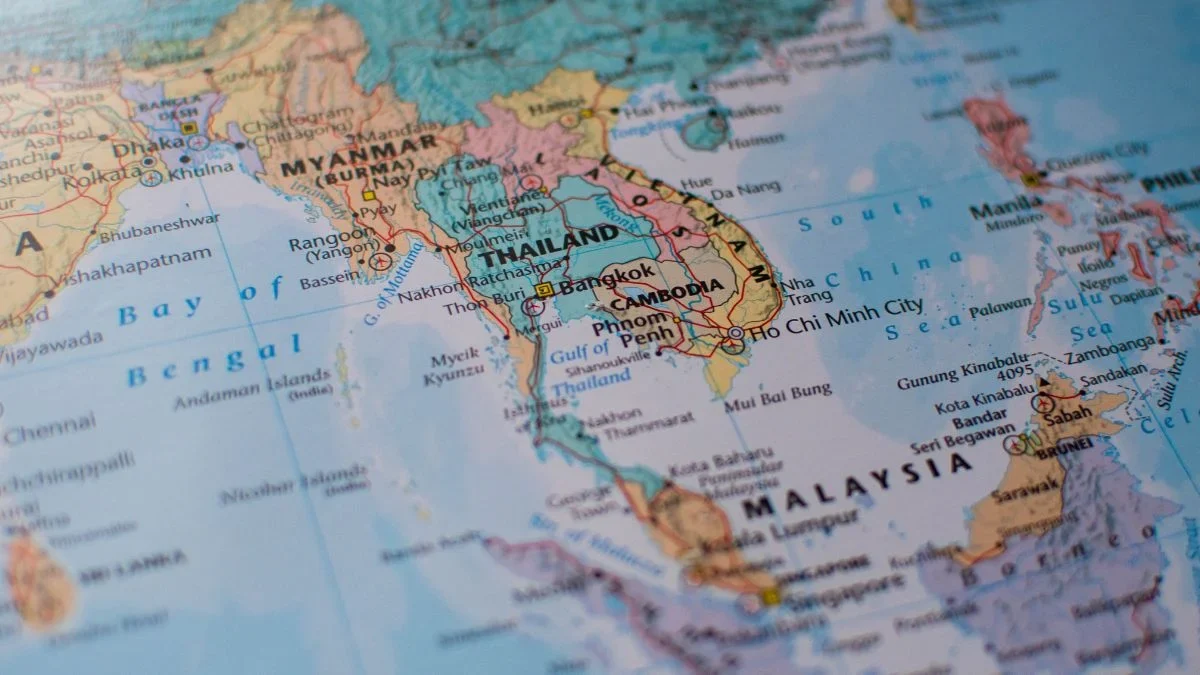
Cyclone Senyar and heavy rainfall have left a trail of flooding and disruption in Southeast Asia, with Thailand experiencing the most significant damage. According to Aon’s weekly catastrophe report released on Friday, November 28, nearly three million Thai people were affected, and economic losses totalled hundreds of millions of US dollars.
The flooding began from an active northeast monsoon in mid-November, intensified by local convective processes, which hit Thailand with rainfall ranging from 150mm to 300mm over several days.
This was further aggravated by a low-pressure system in the Strait of Malacca on 20 November, which then developed into Cyclone Senyar, which remained near southern Thailand.
As a result, the Thai Department of Disaster Prevention and Mitigation reported 21 provinces with flooding, including approximately 143,000 households and about 500,000 people impacted in the central and northern areas. Songkhla recorded the highest number of affected properties at 370,000, followed by Nakhon Si Thammarat, Phatthalung, Narathiwat, and Ayutthaya.
The human cost was also severe, with more than 100 people found dead in Hat Yai city, based on the latest local tallies. Notably, the city near the Malaysian border received 335 mm of rainfall, the highest in a single day.
Following its path through Thailand, Senyar moved on to neighbouring Southeast Asian countries. In Malaysia, ten states were affected, resulting in at least one fatality and displacing 21,000 people nationwide, with Kelantan alone accounting for over 9,600 evacuees.
Across the strait in Indonesia, the National Board for Disaster Management reported more than 2,400 damaged homes and over 400 casualties. Though the exact extent of the damage remains undetermined with rescue operations ongoing, Sumatra was listed among the hardest-hit areas.
In the wake of the widespread disruption, governments have triggered emergency budgets to address the damage. For instance, Thailand has initiated a three-phase recovery plan for flood victims, while Indonesia is reportedly focusing on speeding up the delivery of essential logistics and medical services for all affected regions.