









(Re)in Summary
• Japanese insurers may expand war-risk premium zones in the Middle East due to rising tensions involving Iran, according to a Nikkei report.
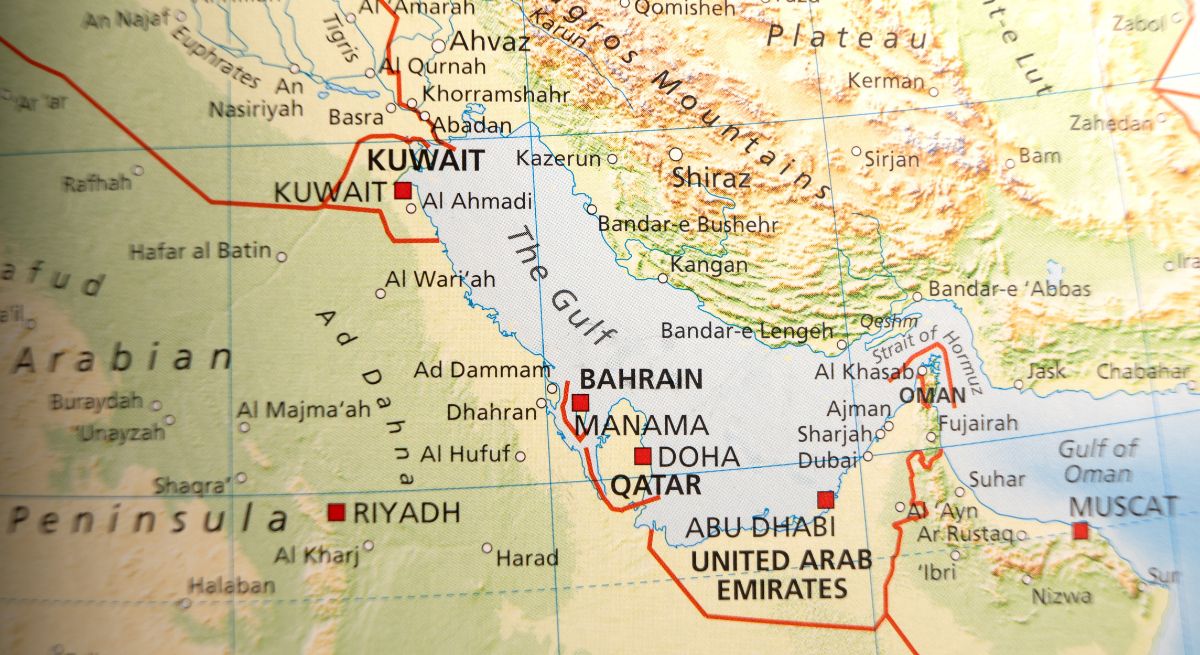
• Tokio Marine, Mitsui Sumitomo, and Sompo Japan are considering adding waters near Qatar and Kuwait to high-risk areas.
• Additional charges could affect operational decisions for vessels operating near the conflict zone, noted Marsh Japan’s Koji Masugi.
Japanese insurers are evaluating whether to extend war-risk premium zones across a wider stretch of Middle Eastern waters as geopolitical tensions involving Iran intensify, Nikkei Asia has reported.
Tokio Marine & Nichido Fire Insurance, Mitsui Sumitomo Insurance, and Sompo Japan are reviewing the possibility of designating waters near Qatar and Kuwait as higher-risk areas for shipping, potentially requiring vessel operators to pay additional war-risk premiums.
The insurers currently treat waters surrounding Iran and the United Arab Emirates as high-risk zones. According to the report, the companies may broaden these designations depending on how the conflict evolves, with additional premiums negotiated individually with shipping operators.
Under existing war-risk policies, shipowners must notify insurers when vessels pass through designated risk zones and pay the required surcharge to maintain coverage. Voyages undertaken without such notification may fall outside policy protection for conflict-related damage.
Many insurers, including protection and indemnity (P&I) clubs, namely Gard, Skuld, NorthStandard, the London P&I Club and the American Club, have announced cancellation of cover against war risks in Iran and Persian/Arabian Gulf, as previously reported.
Koji Masugi, a representative at Marsh Broker Japan, said additional insurance charges could affect operational decisions for vessels operating near the conflict zone.
“There are concerns that ships that are waiting in waters that are affected will be burdened with additional premiums or be forced to change where they wait,” Masugi said.
Shipping operators are also watching political developments in the region. Industry sources said that companies may hesitate to resume normal operations in strategic waterways until there is greater clarity around regional security conditions, according to the report.
While private insurers are weighing their options, the US government has announced plans to provide political risk insurance and financial guarantees to support maritime trade moving through the Gulf. The state-backed protection would be provided through the US International Development Finance Corporation.