


(Re)in Summary
- Preliminary claims from Nepal’s catastrophic floods have reached NPR25.87bn (US$170m), with 583 claims lodged by non-life insurers.
- Engineering and construction policies account for NPR20.50bn across 52 claims, reflecting extensive damage to hydropower projects.
- Property, motor and transport insurance lines generated more than NPR4.79bn in combined estimated claims.
- The NIA expects insured losses to rise further, with the flood projected to generate the largest volume of claims from a single event to date.
Hydropower damage has pushed preliminary insurance claims from Nepal’s catastrophic floods to NPR25.87bn (US$170m), with engineering and construction losses accounting for nearly 80% of the reported losses, according to the Nepal Insurance Authority (NIA).
Data shared with (Re)in Asia by the regulator said 583 claims had been lodged across 14 non-life insurers as of 31 August, based on claim notifications and insurers’ preliminary loss estimates from the 26 August disaster.
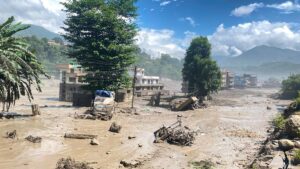
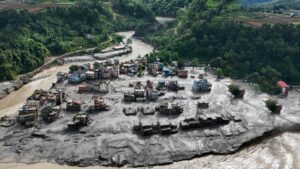
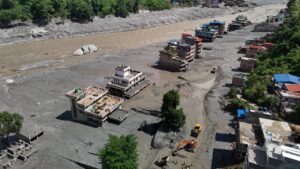
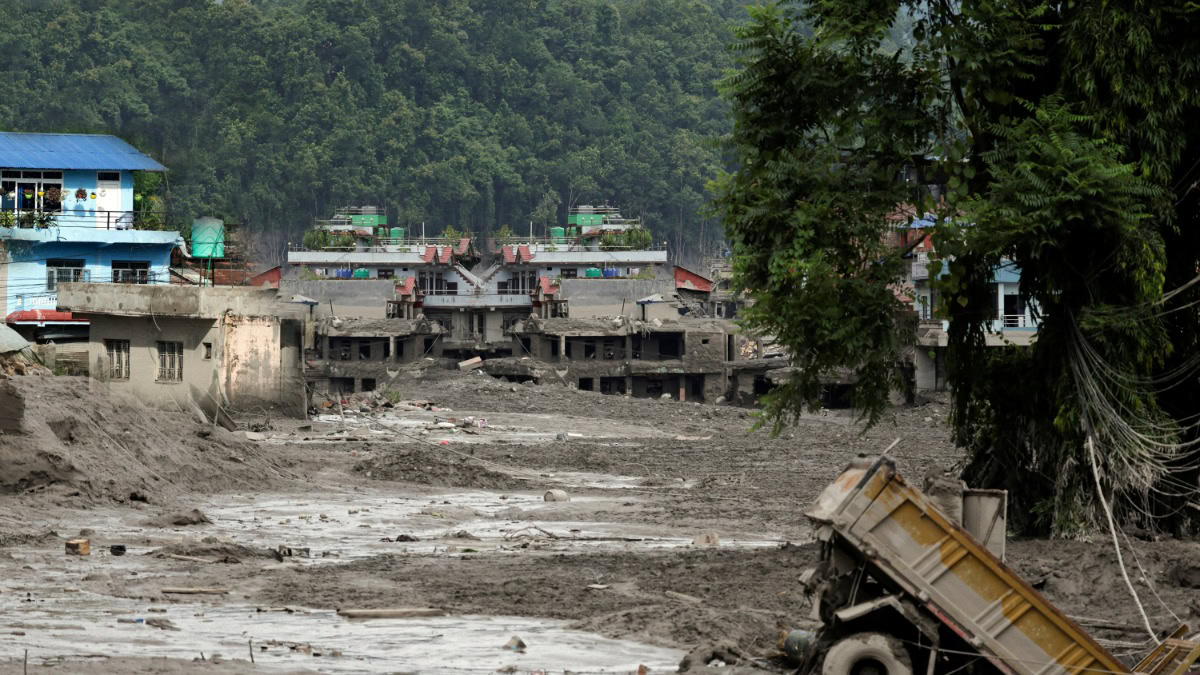
The flash floods hit Nepal from Tibet through the Rasuwa district, causing widespread loss of life and damage to property. Critical infrastructure, namely hydropower plants, substations and transmission infrastructure, suffered extensive damage, while homes, hotels and businesses were swept away.
According to the reported data, claims from engineering and construction risk account for the majority of losses, with 52 claims estimated at NPR20.507bn. The concentration indicates damage to a large number of hydropower projects located in the flood-affected region.
The Nepal Electricity Authority reported that 12 operational hydropower projects with a combined installed capacity of 431.1MW sustained severe damage. Several under-construction projects were also destroyed, including the 216MW Upper Trishuli 1, 120MW Rasuwagadhi Bhotekoshi, and 37MW Upper Trishuli 3B hydropower projects.
Outside engineering and construction risks, insurers have received 113 property claims worth NPR2.35bn, 313 motor claims totalling NPR1.55bn, and 47 transport claims valued at NPR897m. The NIA’s data also show four health insurance claims worth NPR41.6m, along with 54 claims across other insurance lines amounting to NPR529.2m.
The Oriental Insurance records the highest claims
Total claims have been reported across 14 insurers, with Oriental Insurance recording the highest claim amount so far at NPR1.34bn across eight claims, according to the NIA.
Other insurers reporting losses include NLG Insurance, which received 21 claims with estimated losses of NPR113.1m, and Prabhu Insurance, which recorded 14 claims totalling NPR31.2m. Rastriya Bima Company received two claims with estimated losses of NPR7.6m, while National Insurance reported two claims amounting to NPR5.3m and Nepal Micro Insurance reported a single claim for NPR500,000.
The NIA said the claim figures are preliminary and anticipated to increase as more policyholders notify insurers.
The regulator expects the floods to generate the largest volume of insurance claims the country has seen from a single disaster.
The disaster has also taken a heavy human toll. As of late August, official reports confirm 955 people have lost their lives, with nearly 4,500 still unaccounted for, including about 600 foreign nationals.
Search teams have been deployed at mud-choked hydropower tunnels where over 900 workers are believed to be trapped deep underground.
On Monday, Prime Minister Balendra Shah said rescue crews have evacuated more than 11,000 survivors out of danger.
Scientists analysing satellite imagery said the floods were triggered by a massive rock and glacier collapse high in the Himalayas, which generated a sudden surge of water downstream. The collapse was large enough to register as a magnitude 5.2 seismic event.