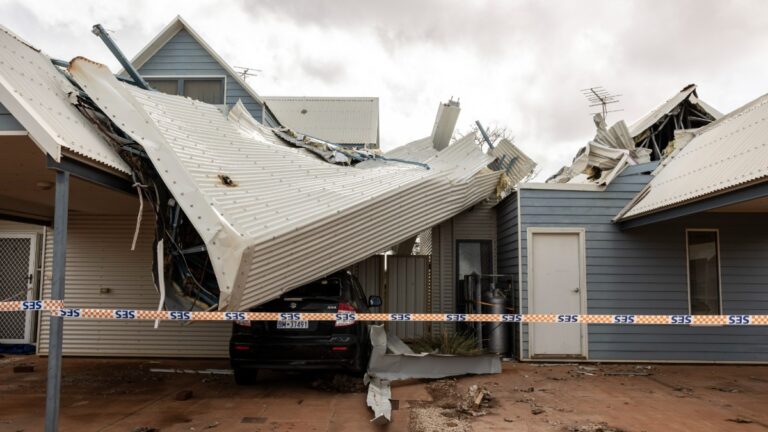
Roof tiles have risen 77% in five years and Queensland build costs went up around 45% since 2021, with insurers receiving 409,094 home claims worth A$11.3bn (US$8.1bn) since 2022, according to ICA fig...
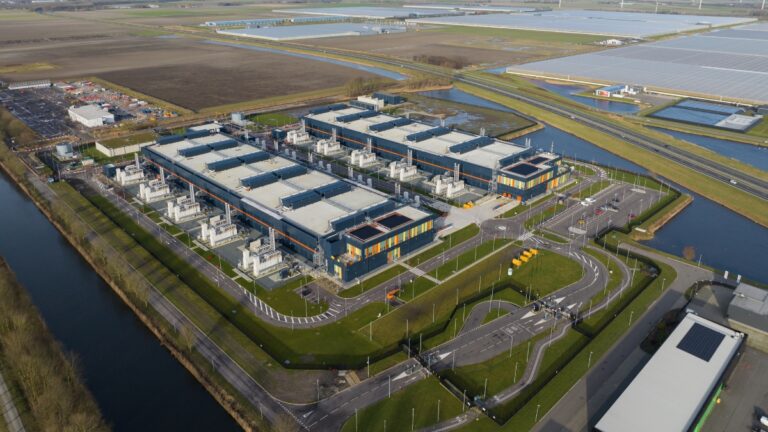
Malaysia is expected to expand its data centre capacity more than tenfold, ranking alongside India and Japan among the region’s fastest-growing AI infrastructure markets.
Insurance could help reduce uncertainty around accident and performance risks, but KIRI says many early-stage technologies remain difficult to underwrite.