



(Re)in Summary
- Mandarin Re plans to grow its APAC business by writing larger lines for existing clients and extending current partnerships, says Mikhail Grishin.
- The reinsurer is on track to meet its US$70m GWP target for 2026 after raising paid-up capital to US$26m, but will not deploy capital “simply because we have it available”.
- Mandarin Re will approach new clients with “extreme caution” as the market softens, and will selectively explore the Philippines, Thailand and Malaysia.
- Grishin warns catastrophe pricing may not fully account for climate-related tail risks and says Asian reinsurers can provide lasting capacity through market cycles.
Mandarin Re plans to grow its Asia-Pacific business by writing more for existing clients and selectively exploring new markets, as it seeks to deploy fresh capital without chasing business in a softening reinsurance market, says Mikhail Grishin, board member and chief operating officer.
The Labuan-based reinsurer increased its paid-up capital to US$26m in 2026, its second capital injection of the year, and set a gross written premium (GWP) target of US$70m. Grishin said the company is on track to meet the target and will give priority to existing cedants when deploying the new capital.
“We have fresh capital to deploy, and we will offer it with priority to those we currently support,” he said. “Our overall strategy is to grow in underserved markets. In the current environment, our primary aim is to increase the amount of business we do with existing clients.”
That means taking larger lines on risks Mandarin Re already shares with cedants and looking for ways to extend those partnerships. The company will consider new clients, but Grishin said it would do so with “extreme caution” given softening market conditions.
“We will be asking why the former incumbents are no longer extending capacity, and we won’t compete for their place based on price,” he said.
“We have fresh capital to deploy, and we will offer it with priority to those we currently support. Our overall strategy is to grow in underserved markets. In the current environment, our primary aim is to increase the amount of business we do with existing clients.”
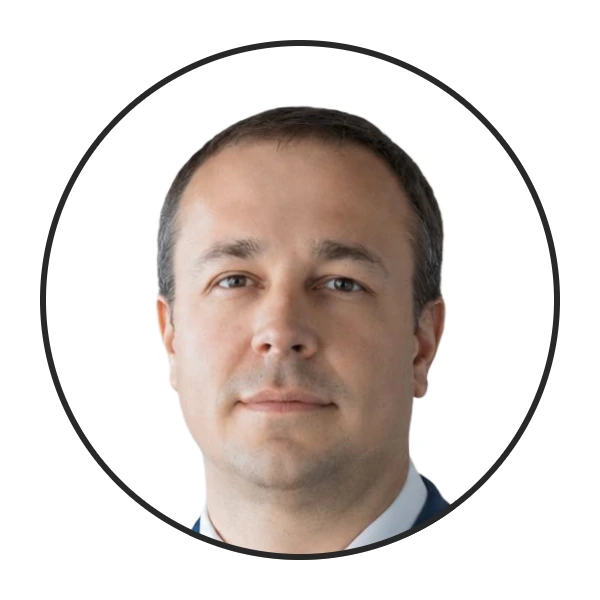
Mikhail Grishin
Board member and chief operating officer of Mandarin Re
Growth profile set by existing clients
Mandarin Re will selectively explore opportunities in the Philippines, Thailand, Malaysia and other markets, subject to risk quality and pricing adequacy, Grishin said. The reinsurer is already strong in Vietnam and Indonesia and has risks sited across the Asia-Pacific region.
“Our intention to grow with existing clients dictates our regional growth profile here,” he said.
The reinsurer’s portfolio is weighted towards property, which accounts for about 70% of its business. Its other lines include engineering, marine, energy, aviation and speciality risks.
Grishin does not expect the mix to change substantially over the next two years, describing it as a balanced portfolio the company is comfortable with. Rebalancing could follow, however, if the company attracts an underwriter with expertise and clients in another class, or if existing clients ask it to explore new risks.
“We will be asking why the former incumbents are no longer extending capacity, and we won’t compete for their place based on price.”
Mikhail Grishin
Board member and chief operating officer of Mandarin Re
Pricing will also shape the portfolio. If rates in a class fall below what Mandarin Re considers an adequate return, it would scale back and retain only business priced at a technically sound level, he said.
Grishin identified softening market conditions as a key challenge to growth. He said there was still plenty of well-rated business to underwrite, but that the company was “extremely conscious of the danger of growing into a soft market”.
“We won’t deploy capital simply because we have it available,” Grishin said.
He also raised concerns about catastrophe pricing, saying it may not always account for the potential for more frequent or severe climate-related losses. These could range from local floods and droughts to larger regional catastrophes, he said.
A warmer atmosphere holds more water vapour, he noted, contributing to droughts and heightened wildfire risk before the trapped moisture eventually falls as rain and brings floods. “I don’t believe all of the catastrophe programmes I’ve seen have adequately considered that risk in their tail-event pricing,” Grishin said.
Offering local capital and experience
Mandarin Re’s August capital increase supports its expansion across property and speciality lines. Grishin said the additional capital, provided by existing shareholders, was aimed at underserved markets despite overcapacity in the wider reinsurance market.
“Our goal is to provide quality capital to those companies and ultimately to their customers, which helps narrow protection gaps,” he said.
The company is also continuing to develop proprietary underwriting tools through ManIT Labs, which it uses across its global underwriting operations.
Grishin said reinsurers from outside Asia may look to the region to prop up their top lines when rates decline, then leave as quickly as they arrived. He argued that Asian reinsurers offer local experience and capacity that can support cedants through market cycles. That strength would grow, he said, if local insurers backed local companies in hard markets as well as soft ones.
Mandarin Re’s priority for the next 12 months remains profitable, sustainable growth and portfolio diversification in what Grishin called its home market. “Mandarin Re is definitely getting stronger, and we are here to stay,” he said.