



(Re)in Summary
- Taiwan’s FSC has urged businesses to adopt cyber insurance amid a rising wave of digital attacks targeting the island.
- The advisory follows a Microsoft report ranking Taiwan first in the APAC region and fourth globally among regions frequently targeted by cyber threats.
- Cyber insurance premium income at Taiwan’s non-life insurers rose every year from NT$89.08m (US$2.7m) in 2018 to NT$512m in 2025, and reached NT$319m in H1 2026.
- The FSC’s push comes in a month that security professionals have dubbed “Black October” after a string of cyber incidents.
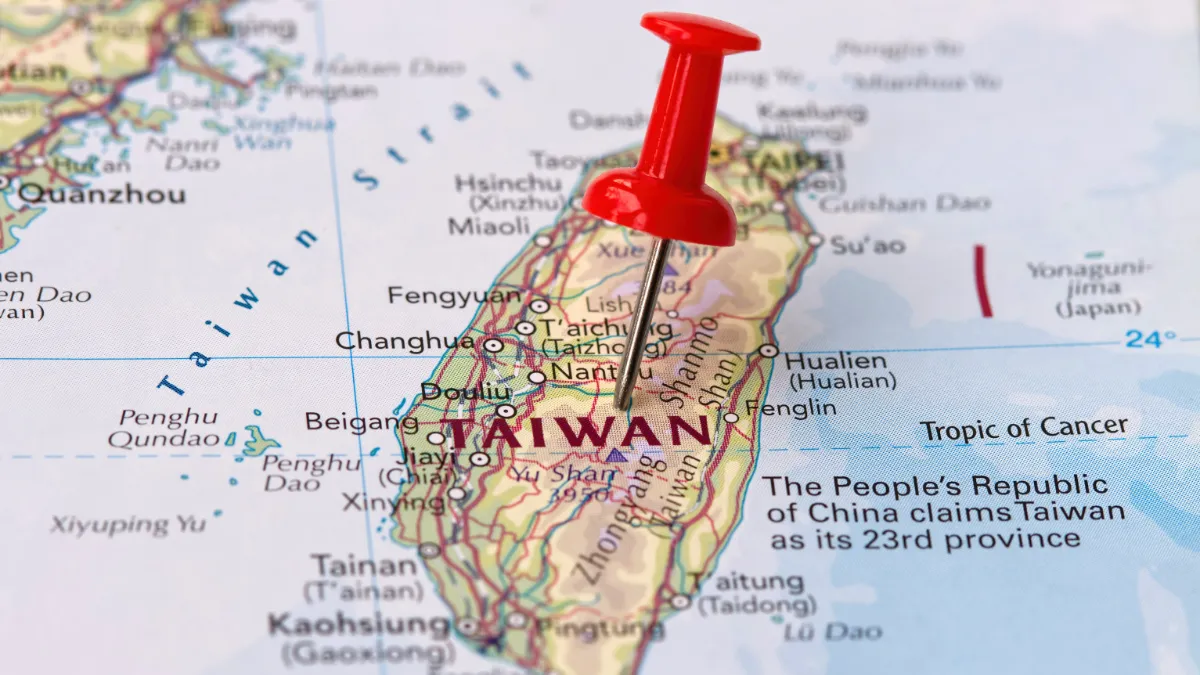
Taiwan’s Financial Supervisory Commission (FSC) has called on domestic businesses to strengthen their cybersecurity defences and consider cyber insurance to manage mounting digital risks.
In an advisory on Thursday, the FSC cited Microsoft’s latest Digital Threat Report, which ranked Taiwan fourth globally and first in the Asia-Pacific region among territories most frequently targeted by cyber threats.
Digital affairs minister Lin Yin-ching revealed last month that Taiwan encounters approximately 2.6 million cyberattacks daily, with foreign threat actors, primarily originating from China, North Korea, Iran, and Russia, frequently targeting the island’s digital infrastructure.
The FSC emphasised that the rapid expansion of online services and accumulation of personal data across digital platforms have increased corporate exposure to operational disruptions and data breaches.
To mitigate these risks, the regulator highlighted several tailored insurance options available through non-life insurers in Taiwan. These include data protection liability insurance, comprehensive information security insurance, and cover for losses from unlawful intrusion into computer systems.
According to the FSC, cyber insurance premium income among domestic property and casualty insurers has risen every year, from NT$89.08m (US$2.7m) in 2018 to NT$512m in 2025. In H1 2026, premiums reached NT$319m.
The regulator urged businesses to assess their cyber risks and coverage requirements before selecting suitable products.
Taiwan’s advisory comes amid a growing number of attacks on institutions in the Asia Pacific region that manage sensitive customer data, including information breaches and cyberattacks.
In Japan, a sharp increase in major cyber incidents prompted the government to declare its first-ever state of emergency in cyberspace on 9 October. Meanwhile, a recent breach at Alliance Medinet exposed customer data linked to at least six Singapore insurers.
These regional incidents, intensified by PHP2Shell vulnerabilities and the rise of AI-driven cyber threats, have led more organisations to review their cyber resilience and patch management processes, said Jeremie Deschamps, Lockton’s regional head of cyber advisory for Asia.