The Hong Kong insurer made an underwriting profit in 2025 on favourable health claims experience, but its modest capital size could leave it exposed to large single-event risks.
The agency raised its view of the Taiwanese life insurer's stand-alone credit profile, pointing to steadier finances and contractual service margin releases since it combined with Taishin Life.
The Thai life insurer is selling more higher-margin cover and investment-linked policies that use less capital, while pre-authorisation and a larger hospital network aim to cut claims costs.
The Taiwan insurer's shareholders' equity under IFRS 17 grew from NT$530.8bn (US$16bn) in January to NT$883.4bn by end-June, mainly on unrealised investment gains.
Disciplined marine underwriting and measured expansion in motor and property should keep the insurer's underwriting in profit through 2028, with a combined ratio of 89%-91% forecast.
The Pakistani non-life insurer generated positive underwriting and investment results, producing a 16.3% weighted average return on equity between 2021 and 2025.
Risk-adjusted capitalisation is expected to remain at its strongest level, but the agency noted that volatile cover and a small net premium base have kept underwriting profitability subdued over the past...
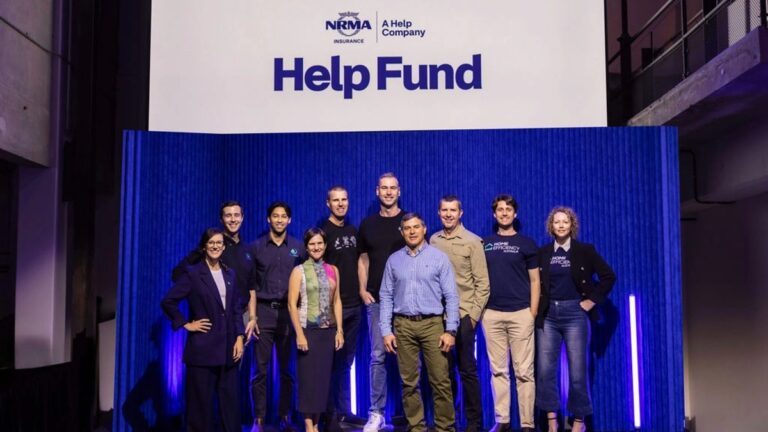
The insurer will allocate A$500k (US$360k) through its Help Fund to support Australian solutions that help communities prepare for, adapt to and recover from climate impacts.