



Insurance Australia Group (IAG) has updated its target to help Australians and New Zealanders take 2 million actions to understand or mitigate their natural hazard risk by FY30, the insurer said on 28 October to mark World Sustainability Day.
The target sits in the second edition of IAG’s Climate Action Plan: Towards FY30, released in August, which also commits the group to engage 220 strategic supply chain partners on climate action or transition planning, and to embed sustainability as a core organisational capability, both by FY30.
“Building resilience is fundamental to addressing the growing risks associated with extreme weather,” said Christine Stasi, group executive, people, performance and reputation at IAG. She added that insurers have a role in helping customers understand and reduce risk before disasters occur, not only in supporting recovery.
The plan counts an action when an individual takes a step to better understand options to mitigate natural hazard risk, or to put in place or maintain a mitigation measure. Initiatives led by RACQ Insurance, in which IAG acquired a 90% stake in September 2025, are excluded for now.
IAG’s FY26 annual report shows the group invested A$10.8m (US$7.6m) in community initiatives in the year to 30 June 2026, up from A$8.8m (US$6.2m) in FY25.
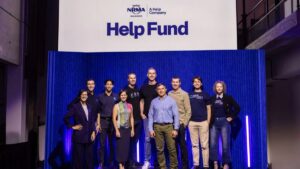
NRMA Insurance launched its Help Fund in October 2025 with A$1m for the first year. FloodMapp, DNA Energy, VALAI, GeoNadir and Rainstick each received A$100,000 climate tech grants, and FloodMapp’s modelling now sends live flood alerts through GPS navigation apps to residents of Queensland’s Douglas and Fraser Coast areas. The fund has also committed A$800,000 over two years to a community-led grants programme in New South Wales’ Northern Rivers region.
NRMA Insurance has supported more than 850 Australian Red Cross EmergencyRedi workshops since November 2023. Of the 10,013 people who attended, 58% said they had reviewed their insurance afterwards. The insurer also backs the Resilient Building Council’s resilience ratings scheme, which is expanding from bushfire to multiple hazards.
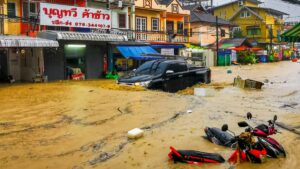
In New Zealand, IAG’s Wild Weather Tracker logged 33,174 storm-related claims from 46 storms between autumn 2025 and summer 2026, against 9,324 claims from 29 storms a year earlier.
Across the group, IAG responded to 65 weather events in Australia and 44 in New Zealand in FY26 and paid more than A$12.4bn in claims. Net natural perils costs of A$1.58bn ran A$114m above allowance, which IAG attributed to the RACQ Insurance portfolio in the first half.
The Insurance Council of Australia reported average annual insured losses from extreme weather at A$4.5bn between 2019 and 2024, 67% higher than the previous five years, and called for a A$30.15bn flood defence fund over 10 years.