



(Re)in Summary
• Japan’s general insurance sector is stepping up efforts to rebuild trust and strengthen risk awareness amid rising catastrophe exposure.
• A new agency evaluation system and tougher qualification standards aim to improve conduct and compliance.
• Corporate risk management is gaining prominence, with increased focus on enterprise risk adoption in the commercial insurance segment.
• Insurers are investing in digital systems to improve claims processing and disaster response capabilities.
• Industry leaders expect continued reform as insurers navigate regulatory change, catastrophe risk and economic uncertainty.
Japan’s general insurance sector is accelerating efforts to rebuild customer trust and strengthen risk awareness as natural catastrophe risks and regulatory reforms reshape the industry’s operating environment, according to General Insurance Association of Japan (GIAJ) Chairman Shinichiro Funabiki.
In a statement issued on Thursday, Funabiki outlined the association’s focus on customer-centric reforms, improved governance and stronger societal resilience, following a year marked by frequent extreme weather events and major earthquakes.
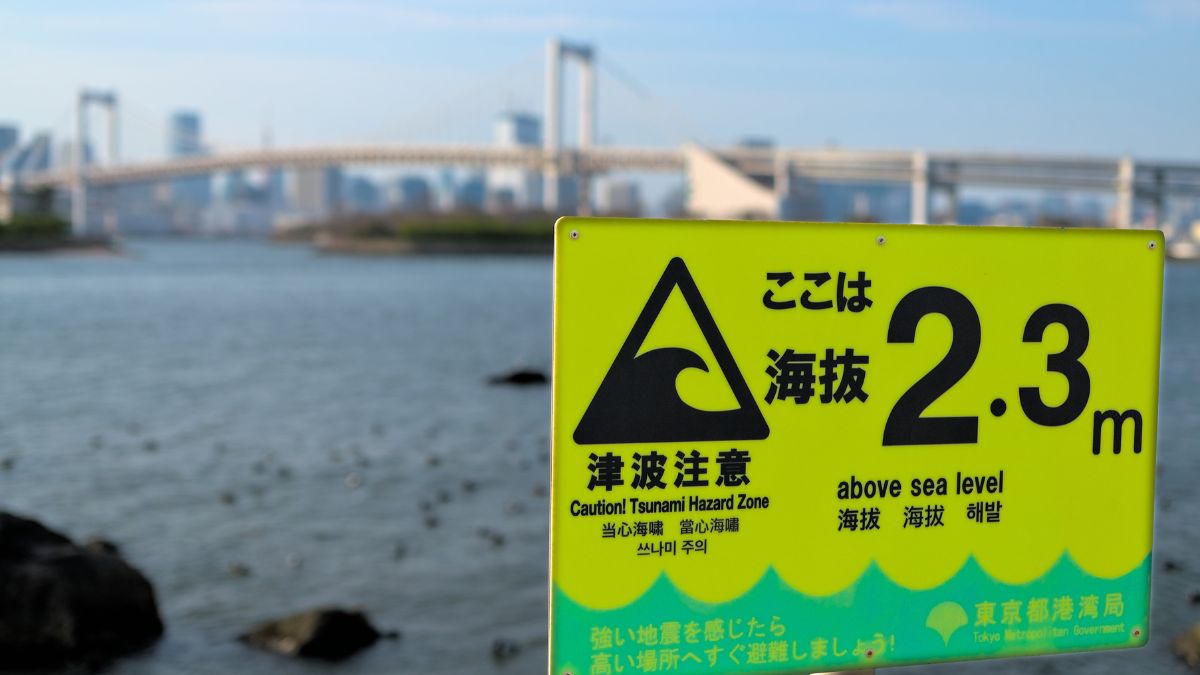
Funabiki said Japan continues to face elevated exposure to natural disasters, including typhoons, floods and earthquakes, which are increasingly affecting households and businesses. The general insurance sector has prioritised rapid claims settlement and public awareness on risk preparedness, as catastrophe-related losses remain a key operational challenge.
Distribution reforms take priority
Restoring trust remains a central objective for the industry, particularly following regulatory scrutiny and evolving expectations around conduct and competition.
As part of these efforts, the association has launched a new agency business quality evaluation system to improve oversight of insurance distribution. The initiative includes a central evaluation body and a shared platform for agencies to conduct self-assessments and exchange compliance data.
In parallel, reforms to the agent qualification framework have increased entry requirements, including more rigorous examination standards and the introduction of compliance-focused certification for senior agency roles.
The association has also placed greater emphasis on improving risk management among corporate clients, particularly in the commercial insurance segment. This includes industry-wide risk management seminars and plans to introduce a dedicated training course to build risk management capabilities.
Japan’s revised Insurance Business Act came into force on 1 June, marking a significant shift in regulatory expectations. The reforms introduce stricter requirements around governance for large multi-agency distribution structures, enhancements to insurers’ internal systems, and tighter restrictions on inducements and unfair sales practices.
Digitalisation and fraud prevention initiatives
Improving claims response during large-scale disasters remains a priority, particularly given Japan’s exposure to earthquake risk. The association has expanded participation in a digital system that allows policyholders to report damage and upload images remotely, enabling faster claims processing following major events. The platform now includes 13 participating insurers.
On the retail side, the GIAJ is stepping up efforts to increase awareness of disaster-related coverage, particularly flood insurance within fire policies. Consumer surveys conducted in 2025 identified gaps in understanding of flood risks, prompting targeted awareness campaigns and enhancements to digital planning tools that support household disaster preparedness.
For commercial clients, the association is working with government agencies to promote business continuity planning, encourage the use of insurance as part of risk mitigation strategies, and raise awareness of emerging risks such as cyber exposure.
Funabiki said the industry is entering a “major turning point”, driven by regulatory change, rising catastrophe exposure and increasing economic uncertainty. He emphasised that insurers must act as critical infrastructure for societal resilience, supporting both economic growth and disaster recovery.