


As models built on known probabilities struggle to keep pace with risks that cannot be measured, actuaries should look beyond pricing those risks and toward “shaping” them, (re)insurance executives said at the Asian Actuarial Conference 2026 held in Singapore on Wednesday (Aug 19).
Actuaries should go beyond modelling, pricing and prediction to “do good”, said Anusha Thavarajah, regional chief executive officer at Allianz Asia Pacific.
“In the case of floods, it’s about… taking it one step further [to] engage policymakers, so that people don’t live in those areas,” Thavarajah said during a panel about winning in uncertainty.
“When I say, ‘do good’, it is not so much about predicting and pricing and calculating, but transcending the risk, shaping the risk, creating awareness about the risk, and addressing it.”
Rising uncertainty from geopolitical risk, longevity risk or climate change, among others, has meant that actuaries have to become better at critical thinking and building the expertise they need to make good decisions, said Gavin Maistry, Munich Re’s Global Chief Actuary for Life and Health.
Referencing the pandemic’s impact on health systems across the globe, Maistry said that actuaries should start “speaking to other experts outside the actuarial domain”.
“Certain countries experienced much higher mortality rates than others, and this was not factored into the models because we did not understand some of the factors that were driving this, linked to human behaviour, linked to different societal norms, linked to different hospital systems that had to cope with this pandemic for the very first time,” Maistry said. “This complexity was very hard to factor into our already complex models… some of these risks are very, very difficult to model in practice.”
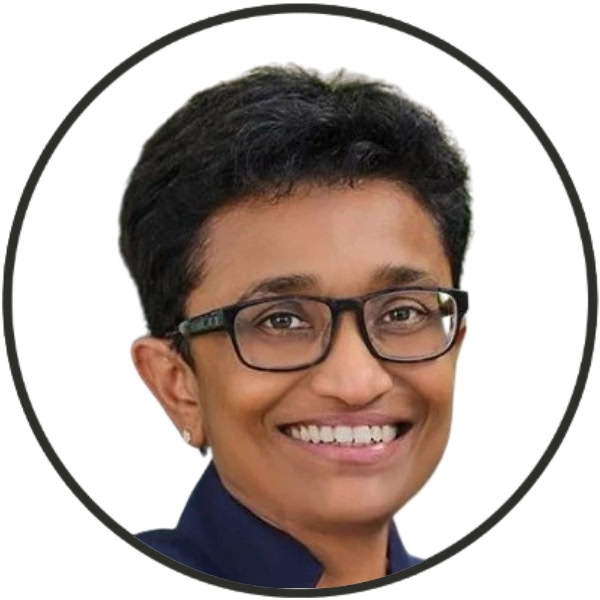
Anusha Thavarajah
Regional chief executive officer, Allianz Asia PacificBuilding more resilient systems means that actuaries will have to align their interests with stakeholders, including policyholders, Maistry said. “Where we are misaligned, I think that will cause issues going forward.”
Other uncertainties—from the rise of mental health claims to climate change and geopolitical volatility—fall outside traditional risk models and will compound when they are treated in silos.
Geopolitical volatility is straining a wide range of P&C insurance lines ranging from political risk to property and motor and renewable energy. At the same time, AI is changing cyber risk.
“All these areas are aggravated these days through big developments in society, politics, technology, and so on,” said Clemens Philippi, chief executive officer of MSIG Asia.
Climate risk, too, will lead to cascading impacts, said Thavarajah.
“Climate risk has an impact on the environment, but it also has an impact on health. It has an impact on government policy. It has an impact on capital. It has an impact on cost… if we look at the risk in silo, you think you can address it, but the more different risks start to converge, what explodes out of it is exponential, and the ability to control it then is very different.”
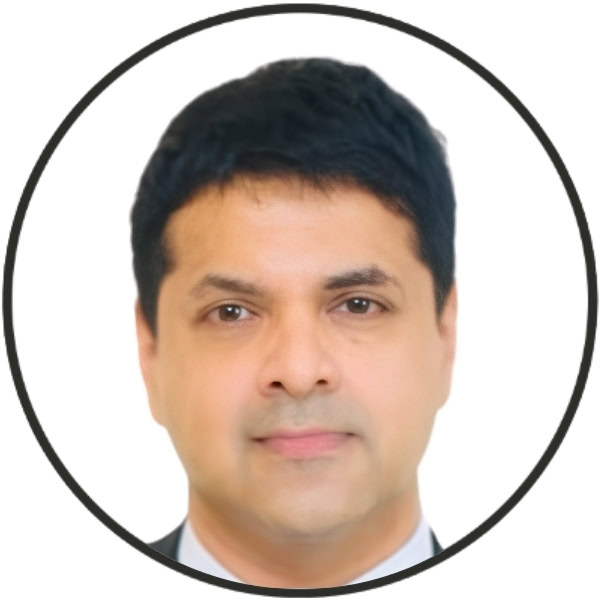
Gavin Maistry
Global Chief Actuary for Life and Health at Munich ReLooking outside the models
Actuaries and professionals need to look beyond what is being delivered to them in the age of generative AI, Philippi said.
“These days, where we are all augmented by generative AI, it’s very important that we can… question some of the data, that we can identify hallucination and other things very quickly,” he added. “I always try to find out, [if the] actuaries that are working with me… [are] thinking laterally, to look outside of the model, to look at the bigger picture.”
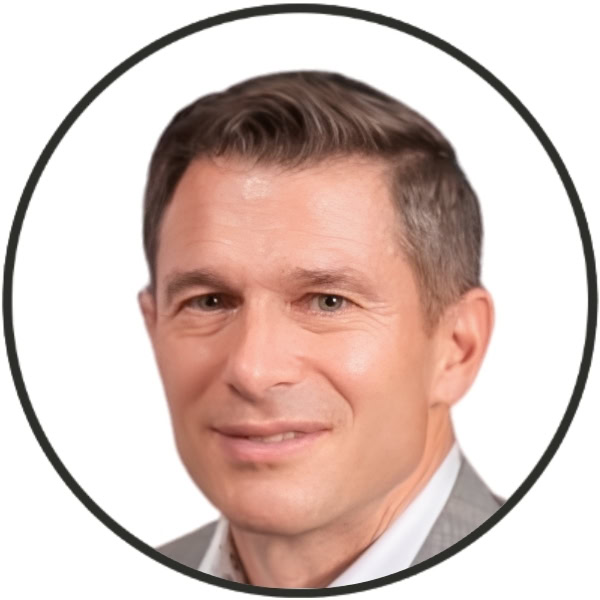
Clemens Philippi
Chief executive officer of MSIG AsiaPhilippi said that MSIG is working to break down silos in the company and among the actuarial profession, bringing actuaries to the forefront and into important roles.
“My right-hand men and women are actually actuaries,” he said. “Most of the bigger decisions to be taken, I consult with them, and that’s really a step over the last five years that helped me and MSIG Asia greatly.”
With the rise of AI, actuaries now play an important role in ensuring that models can produce explainable decisions, said Khoo Kah Siang, CEO, Emerging Markets at Manulife.
“We are the stewards of the outcomes from these models,” Khoo said. “AI cannot run on their own, AI needs to be governed.”
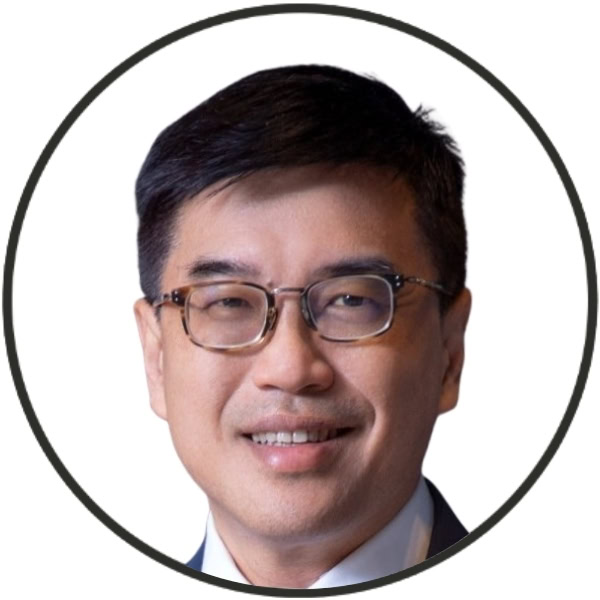
Khoo Kah Siang
CEO, Emerging Markets, Manulife(Re)insurers have to encourage experimentation and continuous learning, to have people be “brave enough” and “have the boldness to try new things,” said Khoo.
“In the past we recognised execution. Maybe we should think about: Do we recognise innovation? Do we recognise collaboration?” he added. “The way we train our people, train actuaries, would have to change.”
As insurers are pushed toward addressing systemic risks by regulators, multidisciplinary thinking, heuristics and anti-fragility have become much more important, said Tan Suee Chieh, past president of the Institute and Faculty of Actuaries.
Actuaries can continue to rely on their “rigour, analysis, consistency and detail”, but risk “cannot be captured that way,” said Tan, but “contextual thinking, natural thinking, narratives are important.”
Quoting the noted actuary Frank Redington, Tan said: “You can’t even forecast the next 40 days. So, forget about forecasting the next 40 years.”